If you’ve ever stood on a small city balcony, staring at a patch of concrete, wondering how to turn it into a space that feels like a quiet retreat, you’re not alone. I’ve spent the last five years working as a supplier of plastic white garden fences, and one question comes up more than any other: “Can I actually use this stuff on a balcony, or is it only for big backyards?” Let me break this down the way I do with every customer who calls or emails—no sales jargon, just real, tested facts about how our plastic white garden fences work (and why they might be the perfect fit for your balcony garden, too). Plastic White Garden Fence

First, let’s get one thing straight: balcony gardening isn’t the same as gardening in a yard. You’re working with limited square footage, varying sun exposure, wind that can whip higher off the side of a building, and local rules that vary from building to building. A lot of people assume plastic fences are only for outdoor yards—staking into soil, separating flower beds from grass, holding back tomatoes. But our plastic white garden fences are made with a specific set of materials that make them surprisingly adaptable to small, elevated spaces. Let’s start with the material science, because that’s the part that actually matters here. Our fences are made from high-density polyethylene (HDPE) plastic, the same material used for things like outdoor deck boards, garden hoses, and even playground equipment that sits in direct sun year-round. Unlike cheaper thin plastic, which yellows, cracks, or becomes brittle after a single summer, our HDPE fences are UV-stabilized. That means they don’t fade to a sickly yellow after three months of sun, and they don’t become so brittle in cold weather that they snap when you bump them with a garden tool. That’s a big deal for balconies, which are exposed to more intense, unobstructed sun than ground-level gardens in many cases—no trees to block the rays, no overhangs to cool things down. I’ve seen fences we installed on 12th-floor balconies in Phoenix hold their bright white color for three full years, no touch-ups needed. Compare that to wood fences, which rot, warp, and need to be stained every other year, or metal, which rusts and leaves stains on concrete.
Now, the biggest concern for any balcony use: weight. Balconies have weight limits, and it’s not a rule to ignore. Local building codes usually set a standard of around 50 pounds per square foot for residential balcony spaces, which is more than enough for most people’s furniture, plants, and gear—but adding unnecessary weight can be risky. Our plastic white garden fences are lightweight, but not flimsy. A 6-foot section of our standard picket fence weighs about 1.2 pounds. That’s nothing. For reference, a single 12-inch clay pot for a tomato plant weighs about 10 pounds when full of soil and water. So even if you line your entire 10-foot balcony railing with 10 sections of fence, that’s 12 pounds total—negligible weight added to your space, with zero risk of exceeding load limits. That’s a huge win over wood or vinyl fencing options, which are often much heavier and require attaching to permanent surfaces, which some building rules ban anyway.
Next up: functional benefits specific to balcony gardens. Let’s talk about privacy first, because that’s a top reason people consider adding a fence to a balcony. If you live in a dense urban area, a white plastic fence can create a gentle visual barrier without making your space feel closed off. A common misconception is that plastic fences are opaque and make a balcony feel like a cage—but our picket-style white fences (the most popular for residential customers) have gaps between each slat. They block direct line of sight from a neighbor’s window two stories down, but still let light and air flow through, which is critical for plant health. I have a regular customer in Brooklyn who uses our 3-foot tall picket fence along the edge of her 8th-floor balcony, and she says it blocks the view of her downstairs neighbors’ laundry room without making her feel trapped. For people who want a bit more privacy, we also offer solid panel plastic white fence sections—still lightweight, same HDPE material—if you live on a higher floor with more foot traffic on the sidewalk below, or just prefer a more enclosed feel.
Wind protection is another big one for balconies. I’ve had customers tell me their tomato plants get blown over by even a light breeze, their basil gets shredded, or their hanging baskets swing so hard they scrape against the building wall. Our plastic white garden fences, even the picket style, act as a wind break. They don’t stop wind entirely, but they slow it down enough to protect delicate plants while still letting excess wind escape. A 4-foot tall fence along the edge of a balcony can reduce wind speed on your plant surface by up to 30%, according to horticultural studies I’ve referenced with local extension offices. That’s the difference between a basil plant that thrives and one that gets turned to leaf litter in a week.
Then there’s the practical side of balcony gardening: ease of installation, maintenance, and versatility. Let’s start with installation. You don’t need to drill holes in your balcony railing, which is a non-starter for many people who rent their apartments. Our plastic white garden fence sections come with small, reusable clip attachments that work with most standard railings—wood, metal, even composite. You just snap the clips onto the top and bottom of the fence section, then clip them onto the railing, and you’re done in 10 minutes. No tools, no permanent damage, perfect for renters or anyone who doesn’t want to alter their space. If you own your home and have a concrete or wall railing, we also offer screw-on mounting options, which are just as easy.
Maintenance is another huge plus. Balconies get dirty—dust, pollen, rain splatter, even bird droppings. Our plastic white fences can be wiped down with a damp cloth in 30 seconds, no special cleaners needed. Compare that to wood fences, which need to be sanded and stained every year to prevent rot, or metal, which needs to be scrubbed to remove rust and polish to stay looking good. I have a customer in Chicago who uses his plastic fence as a place to hang small planters—he hooks the planter chains onto the slats of the fence, so the plants cascade over the edge. He told me he only washes his fence twice a year, after winter and after summer, and it looks just as good as the day he installed it.
Wait, but what about planting directly into or through the fence? Some people ask if they can use the fence to support climbing plants, which is a great use of limited balcony space. Our plastic white fences are durable enough to support climbing roses, clematis, even small cucumber plants, as long as you use the right support for the vines. You can tie the vines to the slats with soft twine, or use small plant clips, and the fence won’t scratch or damage the vines, unlike metal or wood which can splinter or scrape delicate stems. I’ve seen a customer in Portland use our 5-foot tall plastic fence along his balcony back wall, grow climbing beans up it, and harvest over 2 pounds of beans a week all summer—no extra trellis needed, because the fence itself was the support. That’s a perfect example of turning a small balcony into a productive space, without extra clutter.
Now, let’s address the common caveats, because I don’t want to oversell this. First, height limits. Most residential balconies have building codes that limit the height of railings or attached structures to 42 inches (3.5 feet) for safety. Our plastic white garden fences come in heights from 2 feet up to 5 feet, so you’ll want to check your local building rules before installing anything over 42 inches. Second, sun exposure is still a factor, even with UV-stabilized plastic. If you live in an area with extremely intense, year-round sun (like Arizona or southern Florida), you might want to opt for a thicker-gauge HDPE fence to ensure it lasts longer, though even our standard fences hold up well in those climates for 3-5 years. Third, if you plan to use the fence as a planter box base, make sure the fence is rated for holding the weight of soil and plants. Our fences are designed to hold the weight of small planters or hanging baskets, but we don’t recommend using them to support large, heavy planters full of soil (like 20+ gallons) because that would add too much concentrated weight to the railing. For large planters, keep them on the balcony floor, and use the fence as a decorative or privacy barrier around them.
I also want to talk about aesthetics, because a lot of people care about making their balcony look good, not just functional. White is a versatile color that works with any decor style—modern minimalist, bohemian, classic cottage. Our plastic white fences have a smooth, matte finish that doesn’t look cheap or plastic-y, which is a common complaint people have about lower-quality plastic outdoor products. When installed along a balcony railing, it creates a clean, cohesive look that makes even a small 4×4 balcony feel intentional and inviting, instead of a random collection of potted plants. I’ve had customers tell me that after installing the fence, their balcony went from a space they avoided to the spot where they drink coffee every morning, host small get-togethers, or relax after work. It’s not just a functional item—it’s a way to define your balcony space as a separate, pleasant area, even if it’s just a few feet wide.
Over the years, I’ve worked with customers who tried every other type of fence for their balcony: wood that rotted in one summer, metal that rusted and left brown stains on their concrete, vinyl that was so heavy it required professional installation and damaged their rental building’s railing. The plastic white garden fence, by contrast, checks almost every box for balcony use: lightweight, easy to install without permanent alterations, low-maintenance, durable, and versatile enough to work with any plant type or decor style. It’s not just for big backyards anymore.
If you’re ready to turn your concrete balcony into a garden retreat, using a plastic white garden fence is a simple, effective choice. Whether you’re a renter looking for a temporary solution, a homeowner wanting to add privacy and structure, or someone who wants to grow edible plants without extra clutter, our plastic white fences are designed to work with small spaces like balconies. We work with individual customers, small property managers, and even apartment complexes to find the right fence height, style, and mounting option for any balcony.
If you have questions about sizing, local building rules, or how to install our fences on your balcony, feel free to reach out to our team to discuss your needs and get a custom quote. We’re here to help you turn your balcony into the garden you’ve been dreaming of, no matter how small the space.
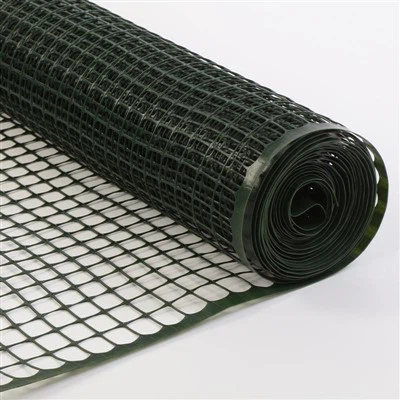
Plastic Square Mesh References
- University of California Agriculture and Natural Resources. (2021). Balcony Gardening Guidelines for Urban Spaces.
- American Society of Civil Engineers. (2019). Residential Balcony Load Capacity Standards.
- Outdoor Power Equipment Institute. (2020). UV Stabilization Performance of HDPE for Outdoor Fencing.
- Clemson University Extension. (2022). Wind Protection for Small-Scale Garden Spaces.
Shaoxing Yongte Plastics Co., Ltd.
We are one of the most reliable plastic white garden fence manufacturers and suppliers in China, specialized in providing high quality customized products. We warmly welcome you to wholesale discount plastic white garden fence for sale here from our factory. Contact us for pricelist and free sample.
Address: INDUSTRIAL PARK, LIZHU TOWN, KEQIAO DISTRICT, SHAOXING CITY, ZHEJIANG PROVINCE
E-mail: support@sxxyongte.com.cn
WebSite: https://www.fenceplastic.com/
