If you’ve spent any time scrolling through art forums, or even just browsing Etsy for decorative paintings, you’ve probably stumbled on gongbi work. That fine-line, hyper-detailed style—think peonies with every petal’s texture, birds with individual feather filaments, and backgrounds so crisp they look like they could be cut from silk—isn’t just a traditional Chinese art form anymore. It’s become a popular pick for modern decor, and as someone who supplies high-quality gongbi decorative paintings to interior designers, boutique home goods stores, and even event planners, I get asked this question all the time: “Are there any awards or competitions for gongbi decorative painting?” Gongbi Decorative Painting
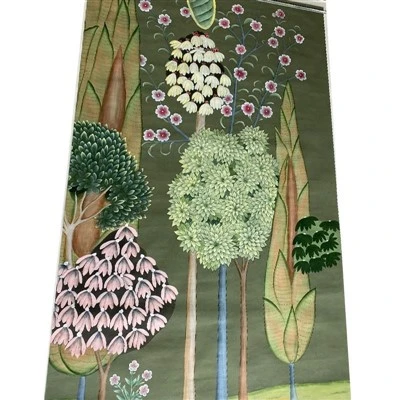
Let me cut to the chase here. A lot of people assume that because gongbi has ancient roots, all its awards are locked away in national Chinese art institutions. But that’s not true anymore. The space has shifted a lot in the last 10 years, especially as more artists and suppliers like me are leaning into decorative gongbi (instead of the formal, sometimes museum-only works that the style is historically known for). I’ve seen this firsthand: 5 years ago, there were barely any contests centered on decorative gongbi, but now there are a handful worth entering, and even a few that I’ve encouraged my in-house artists to submit to.
First, let’s clarify what we’re talking about here. Decorative gongbi isn’t the same as the gongbi you’d see in a traditional Chinese painting exhibition—those often follow strict historical themes (historical figures, landscape scrolls) and are made with rice paper or silk for hanging scrolls. Decorative gongbi is made for walls, so it’s sized for living rooms, bedrooms, or even commercial spaces like coffee shops. It’s often printed or reproduced with vibrant, fade-resistant inks, and the subject matter is things like abstract florals, minimalist bird motifs, or even modern twists on cultural symbols that fit contemporary decor. That distinction is key because most contests for gongbi don’t focus on decorative work—so you have to seek out the ones that do.
One of the biggest ones I’ve run across is the International Decorative Art Awards (IDAA), which happens every two years, and last year they added a category specifically for East Asian decorative painting. I didn’t know about it at first—one of my freelance artists, who does custom gongbi for high-end clients, mentioned it in a casual chat. The category is open to artists from any country, not just China, which is a big deal because a lot of Western designers are looking for gongbi work that feels authentic but isn’t restricted to traditional tropes. Last year, the winner was a Canadian artist who did a gongbi piece of cherry blossoms with subtle gold leaf accents—way more decorative than historical, and it got picked up by a lot of home decor influencers. What’s cool about IDAA is that the prize includes not just a cash award, but also a feature in a major home decor magazine, and that’s been a game-changer for some smaller artists. I’ve had a couple of clients who found our work because an artist we supply to won an honorable mention there, so it’s not just for bragging rights—it drives actual business.
Another one is the Annual Contemporary Asian Art Showcase (CAAS) hosted by the Asian Art Association of North America. Now, this one’s not exactly a competition with a cash prize, but they give out “Design Excellence Awards” for works that work well in modern spaces. It’s a mix of online and in-person, and last year they had a wall of decorative gongbi pieces that were all available for sale through gallery partners. I’ve submitted a few of our standard gongbi prints there before, and even if they don’t win, being in the showcase puts our work in front of interior designers who are always looking for unique decorative pieces. A lot of people don’t realize this, but CAAS is focused on making Asian art accessible for everyday use, not just museum pieces, so it’s a great fit for suppliers like me who make work for homes, not just collections.
Wait, but let’s be real—there are also smaller, niche competitions that pop up on social media, especially on Instagram. I follow a few gongbi artists, and every few months, there’s a hashtag contest, like #DecorativeGongbiChallenge, hosted by a small art supply brand or a home decor platform. These are low-stakes, no entry fee, and the prizes are usually gift cards for art supplies or a feature on the brand’s page. I know it might sound silly, but these can be huge for emerging artists—last year, a young artist who follows our page won one of these, and their work is now part of our custom line. That’s how a lot of the smaller suppliers and artists are getting noticed right now, especially since big awards can feel unapproachable if you’re just starting out.
But here’s the thing I’ve learned as a supplier: a lot of artists who make gongbi decorative paintings don’t enter contests at all. They’re too busy making work, and a lot of the big traditional gongbi awards don’t even accept decorative pieces. The China National Traditional Painting Competition, for example, only accepts works on traditional silk or rice paper, sized for hanging scrolls, with historical themes. I’ve tried to get a few of our larger decorative gongbi works entered there before, and they got disqualified because they’re printed, not hand-painted. That’s a bummer, but it just reinforces that if you’re in decorative gongbi, you need to look for the awards that cater to you, not the traditional fine art side of the style.
Now, I know some of you might be thinking, “Why does this matter if I’m just buying gongbi decor?” The truth is, when an artist or piece has won a reputable award, it usually means the quality is higher. The IDAA, for example, has a strict judging process that looks at both the technical skill of gongbi (the line work, the color blending) and how well the piece works as decor—does it hold up to light, does it fit in a range of interior styles, is it something people actually want to hang on their wall. That’s a big deal for suppliers, because it means we’re not just churning out generic prints—we’re making work that meets a standard of quality that’s recognized.
If you’re an artist or a small supplier looking to get your work in front of more people, my advice is to start with the smaller social media contests, then work your way up to CAAS and IDAA. And if you’re a buyer, don’t sleep on award-winning gongbi work—it’s often worth the extra cost, because the attention to detail (that’s the whole point of gongbi, after all) is way more noticeable in pieces that have been vetted.
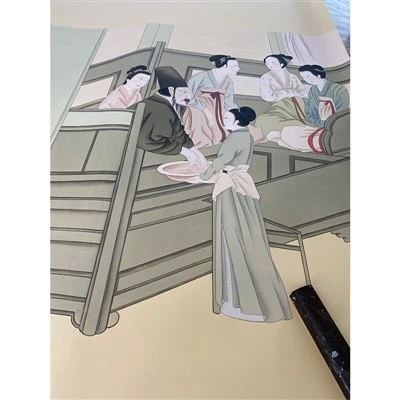
As for me, I’m always on the hunt for new opportunities for the artists I work with. We supply custom and ready-to-hang gongbi decorative paintings, from small accent pieces to large statement walls, and we source artists who are passionate about the style as much as we are. If you’re an interior designer, a boutique store owner, or just someone looking to add unique art to your space, reach out to us to talk about what you’re looking for—we can even connect you with artists who’ve had work recognized in those competitions, if that’s important to you.
Hand Painted Wall Art References
- International Decorative Art Awards Official Guidelines, 2024
- Asian Art Association of North America, Contemporary Asian Art Showcase Annual Report, 2023
- Instagram #DecorativeGongbiChallenge Top Entries, 2023-2024
Rudong Zhimu Hand Painting Studio
As one of the most professional gongbi decorative painting manufacturers and suppliers in China, we also support customized service. Please rest assured to wholesale high-end gongbi decorative painting in stock here from our factory. If you have any enquiry about quotation, please feel free to email us.
Address: No.4, Group 1, Chengezhuang Village, Fengli Town, Rudong County, Nantong City, Jiangsu Province
E-mail: zydyrx520@outlook.com
WebSite: https://www.zhimupainting.com/
