Hey everyone, it’s Jake from [Your Company Name] – I’ve been running this custom stamped parts shop for 12 years now, and I swear, the number of people who hit me up for a quote without asking about our environmental specs is wild. Like, I get it – you just need those exact brackets, brackets, or brackets (wait, no, let’s stay on track) those custom stamped parts that fit your machine, your product, your whole thing. But if you’re skipping the environmental side of production, you’re gonna end up with parts that are either garbage for your end market (think: rusty, weak, or that fall apart after 2 weeks) or parts that leave a mess on our planet. Let’s break down what actually goes into making custom stamped parts right, environmentally speaking – not just the stuff I have to check on for OSHA, but the stuff that keeps our air clean, our water from getting yucky, and our shop running smoothly (and yes, our customers happy too). Custom Stamped Parts
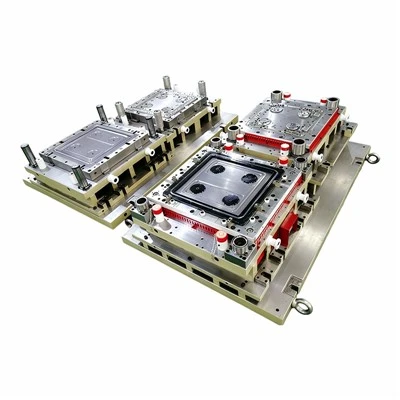
First off, let’s start with the big one: raw materials. This isn’t just “pick whatever metal’s cheapest” – I can’t tell you how many clients used to ask for cheap steel that’s full of unnecessary coatings, or worse, metal that has toxic fillers. For custom stamping, 90% of our work uses steel, aluminum, and copper, and the non-negotiable here is that those materials have to be either recyclable or low-impact from the get-go. Wait, let’s get specific: if we’re stamping parts for food equipment, you can’t use steel with lead coatings – FDA’s got rules, but also, lead leaches into food, that’s a huge environmental no-no too. Same goes for electronics parts that get tossed in landfills – we use tin-plated copper instead of lead-based finishes because lead doesn’t biodegrade, and it seeps into soil and groundwater. Also, we only work with suppliers that give us post-consumer recycled metal when we can – like, last year we switched to 75% recycled steel for all our automotive parts runs, and the parts turned out just as strong, no extra cost for the client. The EPA’s got a whole thing about scrap metal recycling rates – and if we’re not using virgin metal when we don’t have to, we’re cutting down on ore mining, which is hands down one of the most destructive environmental parts of metal production.
Next up, the stamping process itself – that’s where most of the environmental action happens, right? Stamping uses a bunch of machinery, presses that crank out tons of parts, and we need power to run all that, plus lubricants and chemicals that keep the metal from scratching and the dies from wearing out. First, power: we don’t run on coal, obviously. We’re on a mix of solar and wind, and we upped our insulation last year so the presses don’t waste energy heating up our shop (yeah, that’s a cost saver too, not just green). Then, lubricants – people used to use straight mineral oil back in the day, and that stuff is a nightmare. It washes off the parts, gets into our wastewater, and is super hard to dispose of. Now we use water-based synthetic lubricants that are biodegradable. Wait, but here’s the thing: we have to filter those lubricants after each run, right? We don’t just dump them down the drain. We have a closed-loop system that recycles 92% of our lubricant – that means we only buy 8% as much as we used to, no more oil slicks in our floor drains, and our local water utility stopped bugging us about runoff. Also, the stamping presses themselves: we upgraded to servo-driven presses 5 years ago – they use 30% less energy than old mechanical presses, and they make parts more consistently, so less scrap. Scrap is a huge one in stamping – every time you mess up a part, that metal goes to waste. Servo cuts scrap rates by like 15%, so that’s less metal heading to the junkyard, too.
Wait, let’s not forget waste management, because that’s a big part of environmental requirements too. Stamping shops make scrap metal, waste from finishing processes (like painting, plating, or powder coating), and those old lubricants I mentioned earlier. Here’s how we handle it: first, all metal scrap – steel, aluminum, copper – gets sorted into separate bins, and we sell it to a local recycling center that pays us for it. Last quarter, that scrap money covered our annual trade show fees, so it’s not even just good for the planet, it’s a win for the business. Then, the finishing stuff: if a client needs powder coating instead of painting, we only use low-VOC (volatile organic compound) powders. VOCs are the gases that come from paint and coating fumes, right? They’re bad for air quality, and also cause that nasty smog. We installed a fume extraction system that captures 99% of those VOCs, so our shop’s air is safe for our guys, and we don’t dump toxic fumes into the neighborhood. For plating, if we do any zinc plating for corrosion resistance, we use a zero-discharge system – that means all the wastewater from plating gets filtered, treated, and reused, so we only add a tiny bit of fresh water each day. No chemicals going into the local river, that’s non-negotiable for us. Oh, and we banned single-use plastics in the shop – all our part packaging is recycled cardboard, and we send our old press parts to metal recyclers instead of throwing them away.
Now, there’s the regulatory side, but don’t worry, I’m not gonna bore you with a list of acronyms (well, maybe one or two). OSHA is for worker safety, but the EPA’s Environmental Compliance stuff is what we actually live by, plus local state rules. For example, in California (where our shop’s based), we have to do monthly audits of our wastewater discharge, and we can’t exceed certain limits for heavy metals like lead, cadmium, or chromium. Also, if we ever have to dispose of waste, it has to go to a licensed hazardous waste facility – no cutting corners here, and we never let our guys dump stuff in the dumpster or the yard. A few years back, a small shop nearby got fined $100k for dumping waste oil into a storm drain, and that shut them down. We’re way too small to take a hit like that, but more than that, it’s just wrong. Our kids play soccer near here, I don’t want their groundwater poisoned because of some lazy waste management.
Wait, but here’s what a lot of clients don’t ask about – end-of-life for the stamped parts. Like, if you’re making parts for consumer electronics that get thrown away in 2 years, or parts for construction that get torn down in 20 years, can those parts be recycled? That’s a big environmental requirement that I wish more people thought about. When we quote a custom stamped part, I always ask the client where it’s gonna end up. If it’s for a lawn mower that’ll be scrapped, we make sure the part has no mixed metals that are hard to separate. If it’s for a medical device that needs to be cleaned and reused, we use sterilizable materials that don’t break down after autoclaving. Last year, we had a client making electric bike frames – they wanted stamped brackets that were 100% recyclable, so we used a single grade of aluminum, no coatings, and a simple design that’s easy to pull apart when the bike gets recycled. That’s a whole other layer that makes the parts better for the planet, and our clients love that they can market their products as eco-friendly too.
Let me also talk about a common mistake I see new shops make – cutting corners on maintenance. Stamping dies get dull if you don’t sharpen them regularly, right? Dull dies make parts that have rough edges, which means you have to grind them down, and that creates more metal dust and waste. Also, worn dies cause more scrap, like I mentioned earlier. We do die maintenance every two weeks, no exceptions. That’s not just about making good parts – it’s about reducing waste and using less lubricant because the dies don’t jam or drag on the metal. It’s a small thing, but it adds up.
Wait, should I mention water usage? Yeah, that’s huge, especially in places like California where we’re always in drought. We don’t run water hoses to clean parts, we use compressed air for most of it, and the parts that do need washing go through our closed-loop washing system that reuses water. We cut our water usage by 40% in the last 3 years, just by making small changes – like fixing leaky pipes right away, and using water-efficient fixtures for our restrooms and break room. That’s not just an environmental win, our water bill is way lower, so we can keep our quote prices fair for clients.
Okay, let’s wrap this up. If you’re a buyer looking for custom stamped parts, don’t just ask for a price and delivery time. Ask about their raw materials – are they using recycled metal? What kind of lubricants do they use? How do they handle scrap and waste? What’s their power source? Those questions aren’t just nitpicky – they tell you if the shop is actually taking environmental requirements seriously, not just checking boxes. For us, it’s not just about making parts – it’s about making parts that don’t leave a mess on the planet, and that our clients can feel good about using.
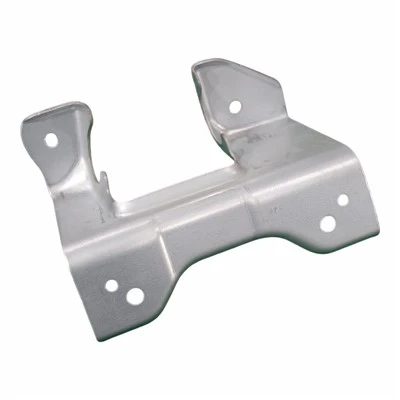
If you’ve got a project coming up – whether it’s a small run of custom brackets for a startup, or a big batch of stamped parts for an automotive line – hit me up. We can chat about your specs, your timeline, and what you need from an eco-friendly partner. No pressure, just honest answers and parts that work.
Automotive & EV Stamping Parts References:
- U.S. Environmental Protection Agency. (2022). “Metal Stamping and Forming: Environmental Best Management Practices.” EPA Office of Compliance and Enforcement.
- American Iron and Steel Institute. (2023). “Recycled Steel in Metal Stamping: Performance and Sustainability Metrics.” AISI Sustainable Steel Council.
- Occupational Safety and Health Administration. (2021). “Control of Hazardous Energy and Waste Management for Metal Stamping Operations.” OSHA Small Business Safety & Health Management Program.
- California Air Resources Board. (2022). “Low-VOC Finishing Requirements for Metal Fabrication and Stamping in California.” CARB Compliance Division.
- Society of Manufacturing Engineers. (2023). “Servo-Driven Presses: Energy Efficiency and Waste Reduction in Custom Stamping.” SME Sustainable Manufacturing Database.
Dongguan Changdong Tool & Die Co., Ltd.
With abundant experience, we are one of the most reliable custom stamped parts manufacturers and suppliers in China. Please feel free to buy advanced custom stamped parts made in China here from our factory. Good service and quality products are available.
Address: No. 56-B, Fumin South Road, Dalang Town, Dongguan City, Guangdong Province, China
E-mail: sales@stamping-die.com
WebSite: https://www.metalstampingdie.com/
