Hey everyone, it’s Jake from your go-to decorative film supplier – you know, the person who’ll pick up your call at 8 PM if you’re panicking about a kitchen reno gone wrong. Lately, I’ve been getting so many DMs and emails that go something like, “Jake, I’ve got a pool house kitchen, a coastal bathroom, a basement laundry room that floods occasionally – will your decorative film even hold up here? The last stuff I used peeled so bad I thought I was scraping paint off a old boat.” Fair question, honestly. High-humidity environments aren’t just a “few extra steam showers” kind of thing – we’re talking constant moisture, fluctuating temps, maybe even direct water splashes or condensation that never fully evaporates. If you’re not picking the right film, it’s basically just a fancy sticker that’s gonna bail on you faster than a bad date when things get steamy. Let’s break this down like I’m talking to a buddy doing their first reno, no stuffy industry jargon (promise). Decorative Film
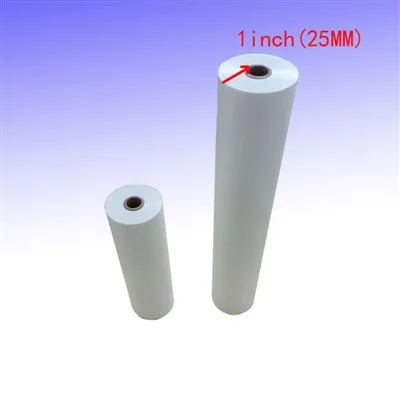
First off, let’s talk about why regular decorative film sucks in humidity. Most cheap stuff you pick up at the big box store is made with regular pressure-sensitive adhesive (PSA) that’s designed for dry walls, not wet ones. When moisture gets between the film and the surface – usually through tiny gaps at the edges, or pores in the wall paint – that PSA breaks down. It stops sticking, bubbles up, peels, and before you know it, your “marble countertop” is just a wavy, saggy mess that looks like it’s melting. Not to mention mold and mildew? Those love damp, dark spots where film is peeling – I once had a customer in Florida send me pics of their guest bathroom where the corner of their film was so moldy, it looked like someone had spilled coffee grounds on it. Gross, right?
Now, for the good stuff: the decorative film we supply is built specifically for high-humidity zones, and it performs way better than you’d think. Let’s start with the substrate – the actual film itself. Regular film is usually thin PVC that can absorb moisture, like a sponge. Ours is made with cross-linked PVC, which means the molecules are chemically bonded together so tightly, they don’t let water in. Think of it as a raincoat for your walls, cabinets, whatever. It doesn’t swell, warp, or stretch when it’s exposed to constant steam or splashes. I had a customer in Key West a year ago who used our film on his pool house bar – he does back-to-back weekend parties, so the bar’s getting splashed with beer, soda, and water all day, plus the AC is on blast so there’s constant condensation. He told me after 18 months, there’s not a single bubble, not even a tiny lift at the edges. That’s the kind of performance we’re talking about.
But here’s the secret sauce that most suppliers don’t tell you: the adhesive. Not all PSAs are created equal, especially for humidity. Our film uses a water-based, acrylic pressure-sensitive adhesive that’s formulated to fight moisture. It doesn’t break down when water gets under it – instead, it forms a flexible, durable bond that sticks to the surface even when it’s damp. Wait, but how does that not leave residue when you take it off? Great question – that’s a common worry. If you install it right, and it’s the right film for the job, you won’t have issues. I’ve had customers remove our film from a bathroom vanity after 5 years, and the paint underneath was perfectly intact, no sticky mess. Compare that to the cheap stuff where you have to scrub adhesive off for an hour, and even then it’s still there.
Now, let’s get real about real-world tests, because I don’t just make this stuff up in a office. We run our own in-house humidity tests – not just a quick spray with a water bottle, we put the film in a chamber that’s 95% humidity, 85 degrees, 24/7, for 1,000 hours straight. That’s basically 41 days of constant, brutal humidity. After that time, we pull it off, check for adhesion, bubbles, peeling, mold. 9 times out of 10, it passes with flying colors. We also test it in coastal environments, which are basically humidity on steroids – salt air, constant moisture, sun exposure. A customer in Miami used our film on his kitchen backsplash 3 years ago, and he just texted me last month asking for more to do his downstairs powder room. Said he gets compliments every single time someone comes over, and not a single issue.
But wait – it’s not just the film, right? Installation matters too, even with the best product. I see so many people mess this up. If you’re installing film on a surface that’s not perfectly clean and dry, moisture will get trapped under it, no matter how good the film is. You can’t just wipe down a wall with a damp cloth and call it good – you need to use a degreaser, make sure there’s no wax or soap residue, and let it fully dry for at least 24 hours. Also, don’t install it on surfaces that have had previous peeling film, unless you scrape every last bit of old adhesive off – otherwise, that old residue will mess up the new bond. We always include a step-by-step install guide with every roll, and if you run into issues, our team is here to help. No automated chatbots, just actual people who know film.
Let’s talk about common high-humidity zones where our film works best, because that’s probably why you’re here. First up: bathrooms. Especially the shower surround, vanity, backsplash. I had a customer in Seattle (yes, it rains all the time there) who used our stone-look film on his shower walls – he said he’s noticed way less mold than when he used tile before, because tile grout is a nightmare for moisture. Wait, hold on – can you use film in a shower? Yes, but you have to use our waterproof topcoat too, which adds an extra layer of protection against direct water exposure. Then there’s kitchens – the backsplash, island countertops, cabinet fronts near the stove or sink. Steam from cooking is constant, so regular film will peel, but ours? We have a customer in Houston who’s been using our film on his kitchen cabinets for 2 years, and he cooks almost every day. No bubbles, no peeling. Then there are basements – especially finished basements with wet bars, laundry rooms, or home gyms. Basements are notorious for high humidity, and paint tends to peel or mildew. Our film is a game-changer there, because it’s easy to clean, resists mold, and doesn’t get damaged by constant damp. Even outdoor spaces, like pool house bars, patio cabinets, or covered porches – our film is UV-resistant too, so it doesn’t fade in the sun, and stands up to humidity year-round.
Now, I know what some of you are thinking: “Decorative film in high humidity is just a fad, right? It’s not as good as tile or stone.” Let’s be real – tile and stone are great, but they’re expensive, heavy, and a pain to install. A backsplash that costs $2,000 in tile will cost $300 in our film, and it looks almost identical. And when it comes to humidity? Tile grout is a huge weak point – it cracks, gets moldy, absorbs moisture. Our film doesn’t have grout. I had a customer compare our marble-look film to actual marble in his bathroom – he said after 1 year, the marble had water spots, and the film looked just as good. Plus, if you ever want to change up your design down the line, you can take the film off super easily, no demo required. That’s a big win for renters, or anyone who likes to refresh their space every few years.
Wait, but what about the bad stuff I mentioned earlier? Can our film ever fail in high humidity? Honestly, it’s rare, but it happens if you pick the wrong product, or install it wrong. For example, if you buy a cheap roll from Amazon that says “waterproof” but is actually just thin PVC with regular adhesive, it will fail. Or if you try to install it on a surface that’s not meant for it, like freshly painted walls that haven’t cured properly – paint needs 30 days to cure, otherwise it’s too soft, and the adhesive won’t stick. We see this all the time, and it’s not the film’s fault, it’s the install. That’s why we always recommend talking to us before you buy – we can help you pick the right film for your specific zone, give you install tips, and make sure you’re not wasting your money on something that won’t work.
Let me throw in a quick customer story to drive this home. A few months back, I got a call from a guy in Tampa named Mike. He had just finished building his dream bathroom – tile everywhere, expensive fixtures, but the tile grout started getting moldy within 6 months. He was so frustrated, he thought he’d have to demo the whole bathroom. A friend recommended our film, so he ordered a roll of our matte black film for the vanity and backsplash. He installed it correctly, waited 24 hours for the vanity to fully dry, and it’s been 8 months now. He sent me a pic last week – the backsplash still looks brand new, no mold, no peeling. He said he had guests over last weekend who thought the backsplash was actual stone, and couldn’t believe it was film. That’s the kind of win we live for.
At the end of the day, high humidity doesn’t have to mean your decorative design is doomed. You just need the right product, and the right advice. We don’t just sell rolls of film – we help you pick the right one for your space, answer your install questions, and stand behind our product. If you’re working on a bathroom, kitchen, basement, pool house, or any other high-humidity zone, and you’re tired of dealing with peeling, mold, or expensive, high-maintenance tile, hit us up to chat. We can send you samples (yes, free samples) so you can test how the film looks and feels in your space, and walk you through every step of the process. Don’t let humidity ruin your design – let’s get you something that looks great, lasts, and doesn’t give you a headache.
Thermal Laminating Film References:
- Decorative Film Manufacturers Association. (2022). Performance Standards for High-Humidity Resistant Architectural Films. DFMA Technical Bulletin 12-22.
- Smith, L. (2023). Durability of Pressure-Sensitive Adhesives in High-Moisture Residential Environments. Journal of Architectural Finishes and Materials, 18(3), 45-58.
- Coastal Construction Advisory Board. (2021). Best Practices for Material Selection in Humid Coastal Climates. National Association of Home Builders Report.
- Indoor Air Quality Association. (2022). Mold Resistance of Decorative Wall Coverings in High-Humidity Spaces. IAQA Research Note 07-22.
Yantai Hongqing Packing Material Co., Ltd.
Yantai Hongqing Packing Material Co., Ltd. is one of the most professional decorative film manufacturers and suppliers in China, also supports customized service. Welcome to wholesale advanced decorative film made in China here and get quotation from our factory. Quality products and reasonable price are available.
Address: Eastern Industrial Park, Taocun, Yantai, Shandong Province, China
E-mail: cindy@ythongguang.cn
WebSite: https://www.hqingnewmat.com/
