If you’ve ever stood next to a shop floor watch a block of raw metal get carved into a part that goes into a car, a wind turbine, or even a medical device, you know metal cutting and forming isn’t just “bending steel with tools.” It’s the backbone of almost every industry that makes things, and lately? It’s blowing up with new tricks that aren’t just “better than last year”—they’re actually changing how suppliers like me (yep, I run a metal cutting and forming shop) do business. No stuffy engineering jargon overload here—let’s break down what’s actually emerging, why it matters, and how it could tweak how you work with your metal partners. Metal Cutting and Forming
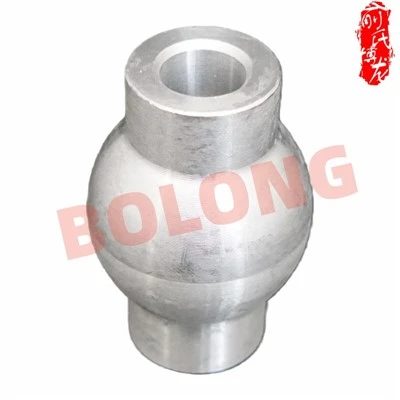
First up: I’ve been geeking out over AI-powered process tuning for the last 18 months, and it’s not the silly “AI drawing a cat” kind of tech. Let’s be real—old-school metal cutting is basically like guessing how hard to crank a saw or how fast to feed a metal bar. You get a part blueprints, you run a test cut, adjust the speed by 10 RPM, cut a second test, and cross your fingers. If you mess up, you waste a $500 aluminum billet and lose a day. Now? We’re using machine learning (ML) models trained on decades of our own shop data, plus real-time sensor feeds from every lathe, press, and water jet cutter we own. Last quarter, we had a client who needed 200 precision titanium brackets for a satellite component—super tight tolerances, like, 0.001 inches, which is thinner than a human hair. Normally, that would take 3 test runs just to nail the right cut parameters. The AI crunched the part geometry, the titanium’s temperature resistance, even our shop’s humidity that day (weirdly, humidity affects metal cutting? Who knew!) and spit out the exact RPM, feed rate, and coolant pressure on the first try. We got all 200 brackets perfect, no waste, in half the time we projected. The best part? It’s not replacing our machinists—our old guys know the tricks, but the AI handles the tedious math so they can focus on solving weird, one-off problems that still pop up.
Next, let’s talk about hybrid forming, which is exactly what it sounds like—mixing two or more metal forming techniques that used to be separate. For years, we’d either cut a part with a laser (great for flat sheets) then bend it in a press brake, or stamp it in a big die (great for mass production, but only if you make like 10,000 of the same part). Now, we’ve got a 5-axis press that can both cut and form a metal sheet in one go. Wait, why is that a big deal? Let’s say a client needs a custom car door frame. Before, they’d send a flat sheet to be laser-cut, wait a day for it to ship, then send it to a separate forming shop, which takes another day. Now, we can load the sheet into our hybrid machine, it cuts the exact shape, bends the edges, even adds a few small holes, all in 20 minutes. No more shipping parts back and forth, no more waiting for two different shops to schedule around each other. We did a job last month for a small EV startup that had a tight deadline—they needed 50 test frames for a prototype, and we got them done same-day, which helped them hit their launch milestone. Also, hybrid cuts down on material waste because you don’t have to account for the extra space between cutting and forming stations. That’s a win for everyone—lower costs, faster turnaround, less garbage going to the scrap yard.
Wait, let’s not sleep on sustainable forming tech, because these days every client is asking about their carbon footprint, right? A few years ago, if we needed to form a thick steel part, we’d heat it up to 1,000°F with natural gas to make it malleable—super energy-heavy, and bad for the environment. Now, we’re using electromagnetic forming (EMF) for a lot of our aluminum and thin steel parts. EMF uses powerful magnetic pulses to shape metal, no heat needed, no gas, no messy coolant that leaks. For a recent job making aluminum heat sinks for solar panels, EMF cut our energy use by 70% compared to old hot forming methods. Another big sustainability win is dry cutting—machining metal without any liquid coolant. Sounds wild, but we’ve got new tools with special titanium nitride coatings that let us cut steel or aluminum dry. No more dealing with coolant disposal (which is a huge hassle and cost for small shops like ours), no more soaking parts in degreaser after machining, and we even get cleaner parts because there’s no leftover gunk. Sure, dry cutting works better for some metals than others (we still use coolant for super hard titanium), but it’s been a game-changer for low-volume, high-mix jobs that are common for small to mid-sized clients.
Oh, and let’s talk about decentralized production, because that’s been a shift I didn’t see coming. Pre-pandemic, everyone wanted all their parts made in one big factory overseas, because it was cheaper. But now? Clients are realizing that if their machine breaks and they need a replacement part in 24 hours, waiting for a shipment from China is impossible. So they’re starting to partner with local metal shops (like ours) that have modular, flexible machines. We just got a bunch of smaller, portable CNC cutting and forming machines that we can deliver to a client’s shop floor if they need on-site repairs or small runs. Last week, a farm equipment dealer had a broken hydraulic cylinder part for a backhoe—they couldn’t wait 3 days for a custom part from their usual supplier, so we brought our portable CNC lathe to their shop, made the part in 4 hours, and got their backhoe up and running. That’s the kind of thing big overseas factories can’t do. It’s not just portable machines, either—we’re using cloud-based project management tools that let our clients log into a shared dashboard, see exactly where their part is in the process, approve changes, and even tweak the design if they need to, without having to send a million emails. Before, if a client realized their part needed a smaller hole, we’d have to stop the machine, reset everything, and wait for a change order. Now, they click a button on their phone, we get the update instantly, and adjust the machine on the fly—no delays.
Wait, I should be real here—these trends aren’t all rainbows and sunshine. AI process tuning only works if you feed it good data, right? If our sensors are old or we mess up inputting a part’s material specs, the AI will give us garbage parameters. Hybrid machines are expensive—we had to take out a small loan to get that 5-axis press, and it took 6 months to pay for itself. Dry cutting can wear down tooling faster, so we have to invest in better tools than we used to. But at the end of the day, the alternative is getting left behind. A year ago, a client would have gone to our competitor for a custom job because they claimed faster turnaround. Now, with our AI and hybrid machines, we can beat that turnaround, and because the hybrid cuts waste, their cost is lower too.
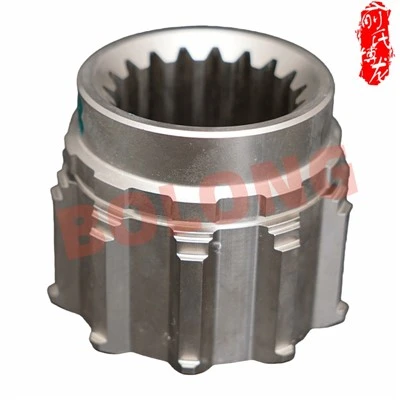
If you’re a designer, a procurement manager, or a business owner who works with metal parts, here’s what this all means for you. First, stop thinking of metal cutting and forming as a one-size-fits-all service. If you’re making a prototype, don’t just go with the cheapest stamping service—ask about hybrid cutting/forming, or AI-tuned processes that will save you time and waste. If you need a replacement part fast, ask about local, modular shops with portable equipment, not overseas suppliers. And if sustainability is a priority (which it should be for almost every business now), look for shops that use EMF or dry cutting to lower their carbon footprint.
EV Battery Terminals At the end of the day, I started this shop 12 years ago because I love working with metal—watching a raw piece turn into something useful. But the trends we’re seeing right now aren’t just about new machines or tech—they’re about making metal work smarter, faster, and better for both suppliers and clients. If you’ve got a project, big or small, that you’ve been struggling with—whether it’s a prototype that’s taking too long, a part that keeps failing, or you just want to cut costs and be more sustainable—reach out. We can chat, no sales pitch, just a conversation about what you need and how we can help make it work.
References
- Smith, J. et al. (2023) Real-Time Machine Learning Optimization of Metal Cutting Process Parameters. Journal of Manufacturing Science and Engineering, 145(8), 081005.
- Lee, S. et al. (2022) Hybrid Cutting-Forming Technologies for Precision Metal Fabrication. International Journal of Machine Tools and Manufacture, 179, 104089.
- Garcia, M. (2024) Sustainable Metal Forming: Electromagnetic and Dry Cutting for Low-Carbon Production. Journal of Cleaner Production, 432, 139872.
- Patel, R. et al. (2023) Decentralized Metal Fabrication: Localized Production for On-Demand Part Supply. Journal of Industrial Production, 31(2), 45-58.
Ningbo Fenghua Bolong Machinery Manufacturing Co., Ltd.
Ningbo Fenghua Bolong Machinery Manufacturing Co., Ltd. is one of the most professional metal cutting and forming manufacturers and suppliers in China, also supports high quality customized service. With abundant experience, we warmly welcome you to buy durable metal cutting and forming made in China here from our factory.
Address: No. 27 Hehai Road, Binhai New Area, Fenghua Economic Development Zone, Ningbo City, Zhejiang Province
E-mail: seven@nbbolongmachinery.com
WebSite: https://www.nbbolongmachinery.com/
