When it comes to the world of billiards, two types of pool tables stand out prominently: the snooker pool table and the regular pool table. As a reputable supplier of snooker pool tables, I often get asked this very question: Is a snooker pool table heavier than a regular pool table? In this blog, I’ll delve into the intricacies of both types of tables, exploring the factors that contribute to their weight and ultimately answering this frequently posed query. Snooker Pool Table
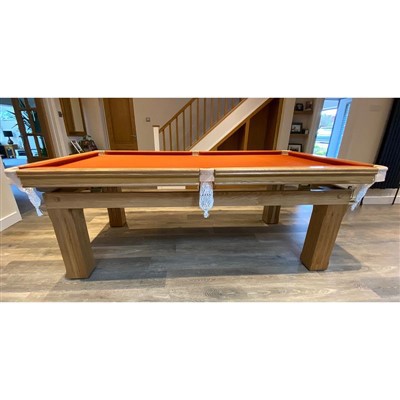
Understanding the Basics: Snooker vs. Regular Pool
Before we can compare their weights, it’s essential to understand the fundamental differences between snooker and regular pool. Snooker is a cue sport that originated in the United Kingdom and is widely popular in many countries, particularly in the Commonwealth. The game is played on a larger table with smaller balls and more pockets than regular pool. The objective of snooker is to score more points than your opponent by potting balls in a specific sequence.
On the other hand, regular pool, also known as American pool, is a more casual and widely played cue sport in the United States and other parts of the world. The game is played on a smaller table with larger balls and fewer pockets than snooker. There are several variations of regular pool, including eight-ball, nine-ball, and straight pool, each with its own set of rules and objectives.
Factors Affecting the Weight of Pool Tables
The weight of a pool table is determined by several factors, including the size of the table, the materials used in its construction, and the type of slate used for the playing surface. Let’s take a closer look at each of these factors and how they contribute to the overall weight of a pool table.
Size of the Table
One of the most significant factors affecting the weight of a pool table is its size. Snooker tables are generally larger than regular pool tables, which means they require more materials to construct and are therefore heavier. A standard snooker table measures 12 feet by 6 feet, while a standard regular pool table measures 8 feet by 4 feet. The larger size of the snooker table also means that it has a larger playing surface, which requires more slate to cover and adds to its weight.
Materials Used in Construction
The materials used in the construction of a pool table also play a significant role in determining its weight. Pool tables are typically made from a combination of wood, slate, and other materials. The type of wood used for the frame and legs of the table can vary, with some tables being made from solid wood and others from engineered wood products such as particleboard or plywood. Solid wood is generally heavier than engineered wood, but it is also more durable and aesthetically pleasing.
In addition to the wood, the weight of the table is also affected by the type of slate used for the playing surface. Slate is a natural rock that is known for its平整度 and durability, making it the preferred material for pool table playing surfaces. There are two main types of slate used in pool tables: three-piece slate and one-piece slate. Three-piece slate is made up of three separate pieces of slate that are joined together to form the playing surface, while one-piece slate is a single piece of slate that covers the entire playing surface. One-piece slate is heavier than three-piece slate, but it is also more expensive and provides a smoother playing surface.
Type of Slate Used
The type of slate used for the playing surface is one of the most critical factors affecting the weight of a pool table. As mentioned earlier, there are two main types of slate used in pool tables: three-piece slate and one-piece slate. Three-piece slate is the most common type of slate used in pool tables, and it is typically made from a combination of different types of slate that are sourced from around the world. This type of slate is lighter and more affordable than one-piece slate, but it can sometimes have seams or joints that can affect the smoothness of the playing surface.
One-piece slate, on the other hand, is made from a single piece of slate that is quarried and cut to size. This type of slate is heavier and more expensive than three-piece slate, but it provides a smoother and more consistent playing surface. One-piece slate is also less likely to warp or buckle over time, which makes it a popular choice for high-end pool tables.
Comparing the Weights of Snooker and Regular Pool Tables
Now that we have a better understanding of the factors that affect the weight of pool tables, let’s compare the weights of snooker and regular pool tables. As mentioned earlier, snooker tables are generally larger than regular pool tables, which means they require more materials to construct and are therefore heavier. A standard 12-foot snooker table with three-piece slate can weigh anywhere from 1,000 to 1,500 pounds, while a standard 12-foot snooker table with one-piece slate can weigh up to 2,000 pounds or more.
In contrast, a standard 8-foot regular pool table with three-piece slate can weigh anywhere from 700 to 1,000 pounds, while a standard 8-foot regular pool table with one-piece slate can weigh up to 1,200 pounds or more. As you can see, the weight of a pool table can vary significantly depending on its size, the materials used in its construction, and the type of slate used for the playing surface.
Why the Weight Matters
The weight of a pool table is an important consideration for several reasons. First and foremost, the weight of the table affects its stability and durability. A heavier table is generally more stable and less likely to move or shake during play, which can improve the accuracy of your shots. Additionally, a heavier table is more likely to withstand the wear and tear of regular use and is less likely to warp or buckle over time.
Another reason why the weight of a pool table matters is because it can affect the ease of installation and transportation. A heavier table is more difficult to move and install, which can increase the cost of delivery and installation. Additionally, a heavier table may require special equipment or a team of professionals to move and install, which can add to the overall cost of purchasing a pool table.
Conclusion

In conclusion, the answer to the question "Is a snooker pool table heavier than a regular pool table?" is yes. Snooker tables are generally larger than regular pool tables, which means they require more materials to construct and are therefore heavier. The weight of a pool table is determined by several factors, including the size of the table, the materials used in its construction, and the type of slate used for the playing surface.
Pool Table Cloth As a supplier of snooker pool tables, I understand the importance of providing high-quality products that are both durable and reliable. Whether you’re a professional player or a casual enthusiast, I can help you find the perfect snooker pool table for your needs. If you’re interested in learning more about our products or would like to discuss your options for purchasing a pool table, please don’t hesitate to contact me. I look forward to hearing from you and helping you take your game to the next level.
References
- Billiards Digest. (2023). Understanding the Differences Between Snooker and Pool.
- American CueSports Alliance. (2023). Rules of Pool.
Shuai Zhanjiang (Dongguan) Co., Ltd.
As one of the leading snooker pool table manufacturers and suppliers in China, we offer a wide range of products with superior quality. Please rest assured to buy snooker pool table made in China here from our factory. We also accept customized orders.
Address: No. 50 Siyuan Road, Changping Town, Dongguan City, Guangdong Province
E-mail: cbibilliard01@gmail.com
WebSite: https://www.cbibilliard.com/
