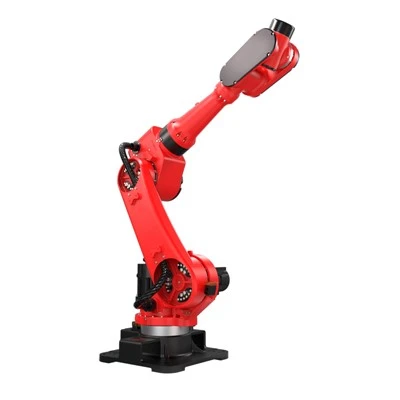
As a supplier of welding robots, I often encounter customers who are interested in the capabilities of our products but are also concerned about the maintenance costs. In this blog post, I’ll delve into the various factors that contribute to the maintenance costs of a welding robot and provide insights to help you make an informed decision. Welding Robot
Understanding the Basics of Welding Robot Maintenance
Welding robots are complex machines that combine mechanical, electrical, and software components. Regular maintenance is crucial to ensure their optimal performance, longevity, and safety. Maintenance costs can be divided into several categories: routine maintenance, consumables, repairs, and software updates.
Routine Maintenance
Routine maintenance involves regular inspections, cleaning, lubrication, and calibration of the welding robot. This is typically done on a scheduled basis, such as daily, weekly, monthly, or annually, depending on the usage and the manufacturer’s recommendations.
- Inspections: Regular inspections are essential to identify any signs of wear, damage, or misalignment. This includes checking the robot’s arm, joints, cables, motors, sensors, and welding torch. Inspections can help detect potential issues early, preventing costly breakdowns and ensuring the safety of the operators.
- Cleaning: Welding generates a significant amount of debris, such as spatter, dust, and fumes, which can accumulate on the robot’s components and affect its performance. Regular cleaning of the robot’s exterior, interior, and welding torch is necessary to remove this debris and prevent it from causing damage.
- Lubrication: Proper lubrication of the robot’s joints and moving parts is essential to reduce friction, wear, and heat generation. Insufficient lubrication can lead to increased energy consumption, premature component failure, and reduced accuracy.
- Calibration: Calibration ensures that the welding robot’s movements and operations are accurate and consistent. This includes calibrating the robot’s position, orientation, and welding parameters. Regular calibration is necessary to maintain the quality of the welds and ensure the robot’s compliance with the required standards.
The cost of routine maintenance depends on several factors, such as the frequency of maintenance, the complexity of the robot, and the availability of spare parts. However, it is generally considered a relatively minor expense compared to the cost of repairs and downtime.
Consumables
Consumables are the parts of the welding robot that need to be replaced regularly during normal operation. These include the welding torch, contact tips, nozzles, shielding gas, and welding wire.
- Welding Torch: The welding torch is the most critical component of the welding robot, as it is responsible for delivering the welding current and shielding gas to the weld pool. Over time, the torch can wear out due to the high temperatures and mechanical stress during welding. Replacing the welding torch is relatively expensive, but it is essential to ensure the quality of the welds and the longevity of the robot.
- Contact Tips and Nozzles: Contact tips and nozzles are also subject to wear and tear during welding. They need to be replaced regularly to maintain a consistent arc and prevent spatter. The cost of contact tips and nozzles is relatively low, but they need to be replaced frequently, especially in high-volume welding applications.
- Shielding Gas: Shielding gas is used to protect the weld pool from atmospheric contamination and ensure the quality of the welds. The type and amount of shielding gas required depend on the welding process and the material being welded. The cost of shielding gas can vary depending on the type of gas and the local market prices.
- Welding Wire: Welding wire is the filler material used in the welding process. The cost of welding wire depends on the type of wire, the diameter, and the quantity required. In high-volume welding applications, the cost of welding wire can be a significant expense.
The cost of consumables can vary depending on the type of welding process, the material being welded, and the production volume. However, it is an ongoing expense that needs to be considered when calculating the total cost of ownership of a welding robot.
Repairs
Despite regular maintenance, welding robots may still experience breakdowns and require repairs. Repairs can be caused by various factors, such as mechanical failure, electrical problems, software glitches, or operator error.
- Mechanical Repairs: Mechanical repairs involve fixing or replacing the robot’s mechanical components, such as the arm, joints, bearings, and gears. Mechanical failures can be caused by wear and tear, improper lubrication, or excessive stress. The cost of mechanical repairs can vary depending on the severity of the damage and the availability of spare parts.
- Electrical Repairs: Electrical repairs involve fixing or replacing the robot’s electrical components, such as the motors, sensors, controllers, and cables. Electrical problems can be caused by power surges, short circuits, or component failure. The cost of electrical repairs can also vary depending on the severity of the damage and the complexity of the electrical system.
- Software Repairs: Software repairs involve fixing or updating the robot’s software to resolve bugs, improve performance, or add new features. Software glitches can cause the robot to malfunction or produce poor-quality welds. The cost of software repairs is usually lower than mechanical or electrical repairs, but it still requires the expertise of a qualified technician.
The cost of repairs can be a significant expense, especially if the breakdown occurs during production hours and causes downtime. To minimize the risk of breakdowns and reduce the cost of repairs, it is essential to follow the manufacturer’s maintenance recommendations, use high-quality spare parts, and train the operators properly.
Software Updates
Software updates are an important part of maintaining the performance and functionality of a welding robot. Manufacturers regularly release software updates to improve the robot’s performance, add new features, and fix bugs.
- Performance Improvements: Software updates can optimize the robot’s movements, reduce energy consumption, and improve the quality of the welds. This can lead to increased productivity and cost savings in the long run.
- New Features: Software updates can add new features to the robot, such as advanced welding processes, remote monitoring, and predictive maintenance. These features can enhance the robot’s capabilities and provide a competitive edge in the market.
- Bug Fixes: Software updates can fix bugs and glitches that may cause the robot to malfunction or produce poor-quality welds. This can reduce the risk of breakdowns and improve the reliability of the robot.
The cost of software updates varies depending on the manufacturer and the type of update. Some manufacturers offer software updates for free, while others charge a fee. However, software updates are generally considered a necessary expense to ensure the robot’s continued performance and competitiveness.
Factors Affecting Maintenance Costs
The maintenance costs of a welding robot can vary depending on several factors. Understanding these factors can help you estimate the maintenance costs more accurately and make informed decisions when choosing a welding robot.
Robot Complexity
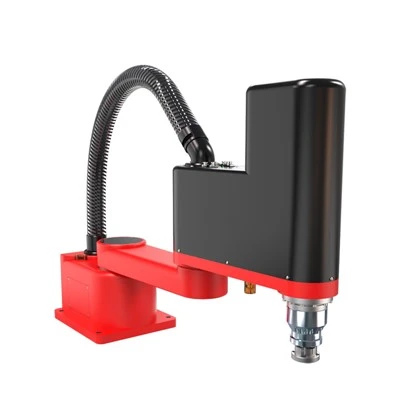
The complexity of the welding robot is one of the primary factors affecting the maintenance costs. More complex robots with advanced features and functions require more frequent maintenance and may have higher repair costs. For example, a robot with a multi-axis arm, advanced sensors, and a sophisticated control system will generally have higher maintenance costs than a simpler robot with basic functionality.
Usage Frequency
The frequency of use of the welding robot also affects the maintenance costs. Robots that are used more frequently will typically require more frequent maintenance and may have a higher risk of breakdowns. For example, a robot that operates 24 hours a day, seven days a week will require more maintenance than a robot that is used only occasionally.
Operating Environment
The operating environment of the welding robot can also have a significant impact on the maintenance costs. Harsh environments, such as high temperatures, humidity, dust, and chemicals, can accelerate the wear and tear of the robot’s components and increase the risk of breakdowns. For example, a robot that operates in a foundry or a chemical plant will require more frequent maintenance and may have a higher risk of corrosion and damage than a robot that operates in a clean and controlled environment.
Operator Training
The level of training of the operators can also affect the maintenance costs. Well-trained operators are more likely to follow the manufacturer’s maintenance recommendations, operate the robot correctly, and detect potential issues early. This can reduce the risk of breakdowns and lower the maintenance costs. On the other hand, poorly trained operators may cause damage to the robot through improper operation, which can lead to costly repairs and downtime.
Spare Parts Availability
The availability of spare parts is another important factor affecting the maintenance costs. If the spare parts for the welding robot are difficult to obtain or have a long lead time, it can increase the downtime and the cost of repairs. Therefore, it is important to choose a welding robot from a manufacturer that has a good reputation for providing reliable spare parts and prompt customer support.
Strategies to Reduce Maintenance Costs
While the maintenance costs of a welding robot are inevitable, there are several strategies that you can implement to reduce these costs and improve the overall efficiency of your welding operations.
Regular Maintenance Schedule
Establishing a regular maintenance schedule is essential to ensure the optimal performance and longevity of the welding robot. Following the manufacturer’s recommended maintenance intervals and procedures can help prevent breakdowns, reduce the risk of costly repairs, and extend the lifespan of the robot.
Proper Operator Training
Providing comprehensive training to the operators is crucial to ensure the correct operation of the welding robot. Well-trained operators are more likely to handle the robot properly, detect potential issues early, and perform routine maintenance tasks correctly. This can reduce the risk of breakdowns and lower the maintenance costs.
Use of High-Quality Consumables
Using high-quality consumables, such as welding torches, contact tips, nozzles, shielding gas, and welding wire, can improve the quality of the welds and reduce the wear and tear of the robot’s components. While high-quality consumables may be more expensive upfront, they can save you money in the long run by reducing the frequency of replacements and the risk of breakdowns.
Predictive Maintenance
Implementing a predictive maintenance program can help you identify potential issues with the welding robot before they cause breakdowns. This involves using sensors and monitoring systems to collect data on the robot’s performance, such as temperature, vibration, and wear. By analyzing this data, you can predict when a component is likely to fail and schedule maintenance or replacement accordingly. Predictive maintenance can reduce downtime, extend the lifespan of the robot, and lower the maintenance costs.
Partnering with a Reliable Supplier
Partnering with a reliable supplier of welding robots is essential to ensure the availability of high-quality spare parts, technical support, and training. A good supplier will have a comprehensive inventory of spare parts, a team of experienced technicians, and a commitment to customer satisfaction. By choosing a reliable supplier, you can minimize the risk of breakdowns, reduce the downtime, and lower the maintenance costs.
Conclusion
The maintenance costs of a welding robot are an important consideration when investing in this technology. By understanding the various factors that contribute to these costs, you can estimate them more accurately and implement strategies to reduce them. Regular maintenance, proper operator training, use of high-quality consumables, predictive maintenance, and partnering with a reliable supplier are all key to minimizing the maintenance costs and maximizing the return on investment of your welding robot.
Welding Robot If you’re interested in learning more about our welding robots and how they can benefit your business, please don’t hesitate to contact us. Our team of experts is ready to answer your questions, provide you with a free consultation, and help you find the perfect solution for your welding needs. Let’s start this journey together and take your welding operations to the next level.
References
- Welding Robots: Technology, Programming, and Applications. By Peter Elifas.
- Industrial Robots: Theory, Modeling, and Control. By Bruno Siciliano, Lorenzo Sciavicco, Luigi Villani, and Giuseppe Oriolo.
- Handbook of Robotics. By Bruno Siciliano and Oussama Khatib.
Robotic Technology (GD) Co., Ltd.
Robotic Technology (GD) Co., Ltd. is one of the most experienced welding robot manufacturers and suppliers in China, also supports custom service and one year warranty. Please feel free to wholesale CE approved welding robot for sale here from our factory. Contact us for quotation.
Address: Room 102, No. 30,Hengfeng 2nd Road,Daguo, Changping Town, Dongguan City,Guangdong,China
E-mail: admin@iroboticplus.com
WebSite: https://www.rb-tic.com/
