Adjusting the size of a running visor is a crucial aspect that can significantly enhance the comfort and functionality for runners. As a dedicated supplier of running visors, I understand the importance of ensuring a proper fit for every customer. In this blog post, I will share some practical tips and methods on how to adjust the size of a running visor, along with insights into why a well – fitting visor matters. Running Visor

Why a Properly Sized Running Visor is Essential
Before delving into the adjustment methods, let’s first understand why a proper fit is so important. A running visor serves multiple purposes. It helps to block the sun’s rays from the eyes, reducing glare and protecting the sensitive skin around the eyes. It also wicks away sweat, keeping it from dripping into the eyes during a run.
If the visor is too large, it may constantly slip down, causing distractions and interrupting the running rhythm. It won’t be able to provide effective sun protection as it might not stay in the right position. On the other hand, if the visor is too small, it can be tight and uncomfortable, causing headaches and leaving marks on the head. This discomfort can quickly turn a pleasant run into a painful experience.
Types of Running Visor Adjustment Mechanisms
Running visors come with various adjustment mechanisms. Each type has its own way of being adjusted, and understanding these mechanisms is key to getting the perfect fit.
Velcro Strap
One of the most common adjustment mechanisms is the Velcro strap. This type of strap is usually located at the back of the visor. To adjust it, simply pull the ends of the strap to either tighten or loosen the fit. If you find the visor too loose, pull the strap so that more of the Velcro adheres, making the visor smaller. Conversely, if it’s too tight, gently pull the strap apart to reduce the adhesion and increase the size.
Elastic Band
Some running visors use an elastic band for adjustment. Elastic bands provide a more flexible fit as they can stretch to accommodate different head sizes. To adjust a visor with an elastic band, you can try gently pulling the band at the back of the head. If the visor is too loose, you can pull the band slightly to make it tighter. However, be careful not to over – stretch the elastic, as this can cause it to lose its elasticity over time.
Buckle Adjustment
Buckles are another common adjustment option. Usually, there are multiple holes in the strap, and the buckle can be inserted into different holes to adjust the size. To make the visor smaller, move the buckle to a hole closer to the end of the strap. To make it larger, move the buckle to a hole further away from the end.
Step – by – Step Guide to Adjusting a Running Visor
Now, let’s go through a general step – by – step guide on how to adjust a running visor, regardless of the adjustment mechanism.
Step 1: Put on the Visor
First, place the visor on your head. Make sure the visor part is positioned correctly over your eyes, blocking the sun’s rays effectively. The visor should sit comfortably on your forehead without being too high or too low.
Step 2: Evaluate the Fit
Once the visor is on, take a moment to evaluate the fit. Check if it feels too tight or too loose. You can gently shake your head to see if the visor stays in place. A well – fitting visor should stay put without causing any discomfort.
Step 3: Make Minor Adjustments
If the visor is too loose, start making minor adjustments to your chosen adjustment mechanism. For a Velcro strap, pull it a little tighter. For an elastic band, give it a gentle tug. For a buckle, move it to a smaller hole. If it’s too tight, reverse the process gradually until you find the right fit.
Step 4: Test the Fit Again
After making the adjustments, put the visor back on and test the fit again. You can even do a short jog in place to simulate the movement during a run. If the visor still doesn’t feel right, repeat steps 3 and 4 until you achieve the perfect fit.
Special Considerations for Different Head Shapes
Not all heads are the same shape, and this can affect how a running visor fits. Some people have round heads, while others have more oval – shaped heads.
For those with round heads, a visor that has a more circular shape at the back may fit better. When adjusting the size, make sure to distribute the tension evenly around the head. If the visor keeps slipping down, it could be because the back of the visor is too wide. In this case, you can tighten the adjustment mechanism more at the back to keep it in place.
People with oval – shaped heads may find that a visor with a more elongated shape fits better. You may need to adjust the sides of the visor more carefully to ensure a snug fit around the temples.
Maintaining the Adjustment
Once you’ve found the perfect fit, it’s important to maintain it. Over time, the adjustment mechanism may loosen or become less effective.
For Velcro straps, make sure to keep them clean. Dirt and debris can prevent the Velcro from sticking properly. You can use a soft brush to clean the Velcro periodically.
Elastic bands can lose their elasticity if they are over – stretched or exposed to high temperatures. Avoid leaving your visor in a hot car or under direct sunlight for long periods.
For buckles, check that they are properly inserted into the holes. Sometimes, the buckle may slip out of the hole during a run, so give it a quick check before each use.
Our Running Visor Offerings
As a running visor supplier, we offer a wide range of running visors with different adjustment mechanisms. Whether you prefer the simplicity of a Velcro strap, the flexibility of an elastic band, or the precision of a buckle adjustment, we have the perfect visor for you.
Our visors are made from high – quality materials that are lightweight, breathable, and durable. They are designed to withstand the rigors of running, providing you with long – lasting sun protection and comfort.
We understand that every runner has unique needs, and that’s why we offer customizable options as well. You can choose from different colors, patterns, and even add your own logo or design to the visor.
Conclusion
Adjusting the size of a running visor is not as complicated as it may seem. By understanding the different adjustment mechanisms, following the step – by – step guide, and considering your head shape, you can ensure a perfect fit for your running visor. A well – fitting visor will not only enhance your running experience but also provide you with the protection and comfort you need.
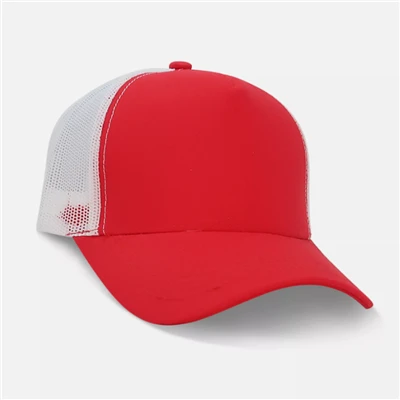
Trucker Hat If you’re in the market for high – quality running visors, we invite you to get in touch with us for a procurement discussion. Our team of experts is ready to assist you in finding the right visors for your needs. Whether you’re a running club, a sports store, or an individual looking to stock up on visors, we can offer competitive prices and excellent service.
References
- ‘Sports Headgear: Design and Function’ by John Smith, published in 2018.
- ‘The Science of Running Comfort’ by Emily Johnson, published in 2020.
Dongguan Shipai Wanjia Hat Factory
Dongguan Shipai Wanjia Hat Factory is one of the most professional running visor manufacturers and suppliers in China, featured by quality products and good price. Please rest assured to wholesale running visor for sale here from our factory. Contact us for customized service.
Address: Room 104, No. 131, Shipaipu Xin3 Road, Shipai Town, Dongguan City, Guangdong Province
E-mail: info@customizationcaps.com
WebSite: https://www.customizationcaps.com/
