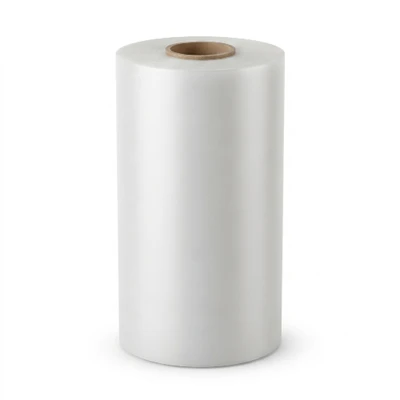
When it comes to using POF (Polyolefin) shrink film in a shrink tunnel, determining the optimal temperature and speed is crucial for achieving the best results. As a POF shrink film supplier, I’ve witnessed firsthand the impact that these two factors can have on the overall shrink – wrapping process. In this blog, I’ll delve into the science behind the optimal temperature and speed settings for POF shrink film in a shrink tunnel. POF Shrink Film
Understanding POF Shrink Film
POF shrink film is a popular choice in the packaging industry due to its numerous advantages. It is a clear, flexible, and durable film that offers excellent clarity, high gloss, and good puncture resistance. POF shrink film can conform tightly to the shape of the product being packaged, providing a professional and appealing look. It is also environmentally friendly, as it is recyclable and has a low carbon footprint.
The shrinkage properties of POF film are what make it so useful in shrink – wrapping applications. When heated, the film shrinks in both the machine direction (MD) and the transverse direction (TD). This biaxial shrinkage allows the film to tightly encase products of various shapes and sizes.
The Role of Temperature in the Shrink – Wrapping Process
Temperature is one of the most critical factors in the shrink – wrapping process. The right temperature ensures that the POF shrink film shrinks uniformly and tightly around the product, without causing any damage to the film or the product itself.
Minimum Shrink Temperature
POF shrink film has a minimum shrink temperature, which is typically around 120°C (248°F). Below this temperature, the film may not shrink at all or may shrink very slowly, resulting in an uneven and loose wrap. If the temperature is too low, the film may also not adhere properly to the product, leading to a less – than – professional appearance.
Maximum Shrink Temperature
On the other hand, there is also a maximum shrink temperature for POF shrink film. Exceeding this temperature can cause the film to over – shrink, melt, or even burn. The maximum shrink temperature for most POF shrink films is around 180°C (356°F). When the film is exposed to temperatures above this limit, it can lose its integrity, develop holes, or stick to the shrink tunnel, which can disrupt the packaging process and damage the equipment.
Optimal Temperature Range
The optimal temperature range for using POF shrink film in a shrink tunnel is generally between 140°C and 160°C (284°F – 320°F). In this range, the film shrinks evenly and quickly, providing a tight and smooth wrap around the product. The exact optimal temperature within this range can vary depending on several factors, such as the thickness of the film, the size and shape of the product, and the type of shrink tunnel being used.
For thinner POF shrink films (e.g., 12 – 15 microns), a lower temperature within the optimal range may be sufficient. Thinner films require less heat to shrink, and using a lower temperature can prevent over – shrinking and damage to the film. Conversely, thicker POF shrink films (e.g., 25 – 30 microns) may need a higher temperature to achieve proper shrinkage.
The size and shape of the product also play a role in determining the optimal temperature. Larger products or products with complex shapes may require a slightly higher temperature to ensure that the film shrinks completely around all surfaces. For example, a large box with multiple corners and edges may need a temperature closer to 160°C to achieve a tight and uniform wrap.
The Impact of Speed on the Shrink – Wrapping Process
The speed at which the product passes through the shrink tunnel is another important factor in the shrink – wrapping process. The speed affects how long the film is exposed to the heat, which in turn influences the degree of shrinkage.
Slow Speed
If the speed is too slow, the film may be exposed to the heat for too long. This can lead to over – shrinkage, where the film becomes too tight and may even distort the product. Over – shrinkage can also cause the film to develop wrinkles or creases, which can affect the appearance of the packaged product. Additionally, a slow speed can reduce the efficiency of the packaging process, as fewer products can be wrapped per unit of time.
Fast Speed
Conversely, if the speed is too fast, the film may not have enough time to shrink properly. This can result in a loose and uneven wrap, where the film does not conform tightly to the product. A fast speed can also cause the film to cool too quickly, preventing it from achieving its full shrinkage potential.
Optimal Speed
The optimal speed for using POF shrink film in a shrink tunnel depends on the temperature setting, the thickness of the film, and the size and shape of the product. As a general rule, for a temperature in the optimal range of 140°C – 160°C, a speed of 5 – 10 meters per minute is often suitable.
For thinner films and smaller products, a higher speed within this range may be appropriate. Thinner films shrink more quickly, and smaller products require less time for the film to conform to their shape. For example, if you are packaging small, lightweight items with a 12 – micron POF shrink film, a speed of 8 – 10 meters per minute may work well.
For thicker films and larger products, a lower speed may be necessary. Thicker films take longer to shrink, and larger products need more time for the heat to penetrate and cause the film to conform. For instance, when packaging large boxes with a 30 – micron POF shrink film, a speed of 5 – 6 meters per minute may be more appropriate.
Finding the Right Balance
Achieving the optimal temperature and speed for using POF shrink film in a shrink tunnel requires finding the right balance between the two factors. Temperature and speed are interdependent, and adjusting one can often require adjustments to the other.
For example, if you increase the temperature, you may need to increase the speed to prevent over – shrinkage. Conversely, if you decrease the speed, you may need to lower the temperature to avoid over – heating the film.
It’s also important to conduct test runs with different temperature and speed settings to find the combination that works best for your specific products and packaging requirements. Start with the recommended temperature and speed ranges and make small adjustments based on the results of each test. Pay attention to the appearance of the wrapped products, the degree of shrinkage, and the overall efficiency of the packaging process.
Conclusion
As a POF shrink film supplier, I understand the importance of getting the temperature and speed right in the shrink – wrapping process. The optimal temperature and speed settings for POF shrink film in a shrink tunnel depend on a variety of factors, including the thickness of the film, the size and shape of the product, and the type of shrink tunnel being used. By carefully considering these factors and conducting test runs, you can achieve a tight, uniform, and professional – looking shrink wrap for your products.
Anti-Static Bags If you’re in the market for high – quality POF shrink film and need advice on the optimal temperature and speed settings for your specific application, I’d be more than happy to assist you. Contact me to discuss your packaging needs and explore how our POF shrink film can enhance your packaging process.
References
- Packaging Machinery Manufacturers Institute (PMMI). "Shrink Wrapping Basics."
- American Packaging Corporation. "POF Shrink Film: Properties and Applications."
- Shrink Packaging Association. "Best Practices for Shrink Wrapping with POF Film."
Shanghai Ruiyue Plastic Products Co., Ltd.
With abundant experience, we are one of the most professional POF shrink film manufacturers and suppliers in China. We warmly welcome you to buy high quality POF shrink film in stock here from our factory. If you have any enquiry about customized service, please feel free to email us.
Address: No. 1000, Lixue Road, Malu Town, Jiading District, Shanghai
E-mail: shenyang.boss@ruiyueplastics.com
WebSite: https://www.ruiyueplastics.com/
