Let’s cut to the chase—if you’re in the market for outdoor LED lighting, you’ve probably mixed up floodlights and spotlights at some point. I’ve been selling LED spotlights for years, and I still get customers sliding into my DMs (or calling our sales line) asking, “Wait, aren’t those two the same thing?” Spoiler: they’re not. And if you’re buying the wrong one, you’re wasting money, lighting the wrong areas, or even messing up a project. Let’s break this down like we’re chatting over a coffee—no jargon, no corporate fluff, just real stuff I’ve seen in the field. LED Spotlight
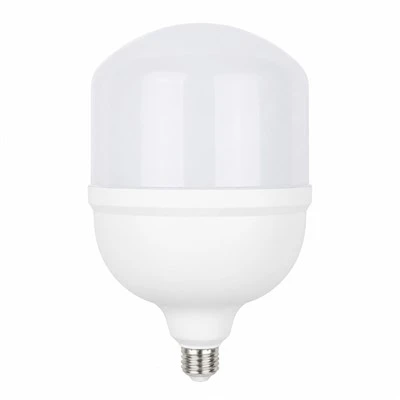
First, let’s start with the basics: what each does. A floodlight, at its core, is meant to light up big, wide spaces. Think a backyard for a weekend BBQ, a warehouse loading dock, or a basketball court. It throws light that spreads out—like 120 degrees or more, sometimes even 180. The goal here is uniform coverage; you don’t want dark spots on the court or shadowy corners by your back door. Floodlights are usually low-glare (for the most part, anyway) because you don’t want to blind someone walking into your garage. They’re also built for durability—most are IP65 rated, meaning they can handle being rained on, dust, even snow. I’ve sold a ton of these for construction sites, and guys tell me they don’t have to mess with replacing bulbs every six months like they did with old halogen floodlights.
Now, LED spotlights. These are the precision tools of the outdoor lighting world. A spotlight’s beam angle is way narrower—usually between 10 and 60 degrees. So instead of spreading light all over, it focuses it on a specific spot. Think a sculpture in your front yard, a storefront sign, a flag on a pole, or a security camera’s field of view. If you’ve ever driven down a street and seen a historic building lit up just right at night? That’s spotlights. They’re not meant to light a whole yard—they’re meant to make one thing stand out. And because they’re LED, they’re way more energy-efficient than old metal halide spotlights I used to stock back when I first started in this business.
Here’s where I see a lot of people mess up: beam angle is the big technical difference, but there’s more to it than just numbers. Let’s talk about light quality. Floodlights use a wider beam, so they have to balance how bright they are with not washing out the area. If a floodlight is too powerful, it’ll create that harsh, blinding light that bounces off windows and annoys your neighbors. Most of the floodlights we sell have a lumen output between 1,000 and 10,000 lumens, depending on the size. But spotlights? They’re all about intensity in a small area. So a 500-lumen spotlight with a 15-degree beam will actually be brighter on that flagpole than a 10,000-lumen floodlight. Because all that light is concentrated in a tiny spot. That’s why you don’t use a spotlight for a backyard—you’d have one super bright spot in the middle and total darkness everywhere else.
Durability is another area where people mix them up. Wait—floodlights and spotlights can both be outdoor-rated, right? But floodlights are built for continuous, broad use. A warehouse might run a floodlight 24/7, so they’re made to handle long runtime, high heat, and constant exposure. Spotlights, especially the narrow-beam ones, are often built more for targeted, occasional use. But here’s the thing: the LED tech inside both is way better than old bulbs. I’ve had a customer who bought our spotlights to light up his restaurant’s outdoor patio signs, and he’s had them for three years—they’ve never burned out. And because LEDs don’t waste energy as heat, they last way longer than halogens. Old floodlights would only last a year; our LED floodlights are rated for 50,000 hours, which is like 10 years if you run them 12 hours a day. That’s a huge saving, trust me.
Now, let’s talk use cases, because that’s what matters most. When do you pick a floodlight? If you need to illuminate a large, open area evenly. Backyards, parking lots, driveways, construction sites, playgrounds. If you’re doing a project where you don’t want uneven lighting, go floodlight. When do you pick a spotlight? If you need to highlight a specific object, feature, or small area. Architectural details, landscape sculptures, signage, security lighting for a specific entry point, even art displays. I once had a customer who owned a small art gallery—he bought 20 of our narrow-beam spotlights to light the paintings on his walls instead of floodlights, and he said it made the art pop way more without washing out the colors. That’s the power of a spotlight.
Wait, but what about glare? That’s a big complaint I hear from neighbors. Floodlights, because they’re wide, can sometimes have more glare if they’re not angled right. If you shine a 180-degree floodlight straight at your neighbor’s bedroom window, that’s a problem. But good floodlights have a flat lens that reduces glare so it doesn’t bounce off surfaces as much. Spotlights, on the other hand, have a focused beam, so their glare is more controlled. It’s only strong in the exact spot they’re aimed at. That’s why they’re perfect for architectural lighting—you can point them at a building without blinding anyone a block away.
Let’s address a common myth: all LED spotlights are “bright,” and floodlights are “dim.” No way. It’s all about beam concentration. I had a client who wanted to light up a 10-foot flagpole at the end of his driveway. He tried a floodlight first, and the flag looked dull, like it was just a dim light on a pole. Then he switched to a 30-degree spotlight, same wattage, and the flag’s colors—red, white, blue—popped like he had stage lights on it. That’s the difference. The light wasn’t wasted spreading out; it was all going right to the flag.
Now, as someone who’s been selling these for years, here’s my pro tip: before you buy, map out what you need to light. If it’s a big space, floodlight. If it’s a specific thing, spotlight. But don’t just go by the label—check the beam angle. If a product says “120 degrees,” that’s a floodlight. If it says “15, 30, or 60 degrees,” that’s a spotlight. That’s the easiest way to tell.
Also, let’s talk energy bills. Both are LED, so they’re way more efficient than traditional bulbs, but spotlights might be a better pick for targeted, occasional use. If you only need to light your flag at night when you’re home, a 10W LED spotlight uses way less electricity than a 50W floodlight. For a 24/7 security light on a loading dock, a floodlight is better because you need that wide coverage, and LED floodlights use less energy than old metal halide ones.
I’ve seen so many people waste money buying the wrong product. One customer bought a whole set of spotlights for his backyard, and he was upset because there were dark spots everywhere. I explained—spotlights aren’t for wide areas. He returned them, got floodlights, and he’s been raving about them ever since. Another guy bought a floodlight to light his store sign, and the sign was faint because the light was spreading all over the parking lot instead of focusing on the letters. He switched to spotlights, and the sign looked sharp from the street.
Now, if you’re looking for actual products, here’s what we carry: our LED floodlights come in 1,500 to 50,000 lumens, IP65 rated, so they’re ready for any weather. Our LED spotlights have beam angles from 10 to 60 degrees, different color temperatures—warm white for accent lighting, cool white for security, whatever you need. And they all have that long LED lifespan, no bulb changes for years.
If you’re still not sure which one to get, don’t hesitate to reach out. I’ve worked with contractors, homeowners, small business owners—all kinds of people. I can help you figure out exactly what you need, no sales pitch, just honest advice. Whether you need to light a backyard, a sign, or a construction site, I’ve got options that fit your budget. Just get in touch, and we can walk through it.
Don’t make the mistake I see so many new buyers make—don’t assume “outdoor light is outdoor light.” Floodlights and spotlights do two totally different jobs, and picking the wrong one will just leave you frustrated. But with a little understanding of beam angle, use case, and what you’re actually trying to light, you’ll get the right product the first time, save money, and have lighting that works exactly how you want it.
Now, if you’re ready to place an order or just have questions about which is right for your project, feel free to connect to discuss your specific needs. We can tailor a solution that fits your space and budget, no hassle.
LED Bulb Type T References:
- Illuminating Engineering Society (IES). Lighting Handbook, 10th Edition. IES, 2020.
- U.S. Department of Energy. “LED Lighting Basics.” Energy.gov, 2022.
- International Protection Marking (IP) Standard. IEC 60529, 2019.
- Architectural Lighting Magazine. “Spotlight vs. Floodlight: Choosing the Right Outdoor Lighting.” 2021.
Hangzhou Lin’an Mingfeng Electric Parts Co., Ltd.
We are one of the most experienced LED spotlight manufacturers and suppliers in China since 1996. We warmly welcome you to wholesale customized LED spotlight made in China here from our factory. If you have any enquiry about pricelist and quotation, please feel free to email us.
Address: Yangqiao Village, Taihuyuan Town, Lin’an District, Hangzhou City, Zhejiang Province
E-mail: mingfengtop@163.com
WebSite: https://www.mingfengtop.com/
