How long does 2 1 Twill Weave fabric last with regular use?
As a dedicated provider of 2 1 Twill Weave fabric, I’m often asked about its durability, especially under regular use. It’s a fair question, as the lifespan of any fabric is a crucial factor for consumers and businesses alike. In this blog, I’ll delve into the factors that influence the longevity of 2 1 Twill Weave fabric and provide insights based on industry knowledge and real – world experience. 2 1 Twill Weave

Understanding 2 1 Twill Weave Fabric
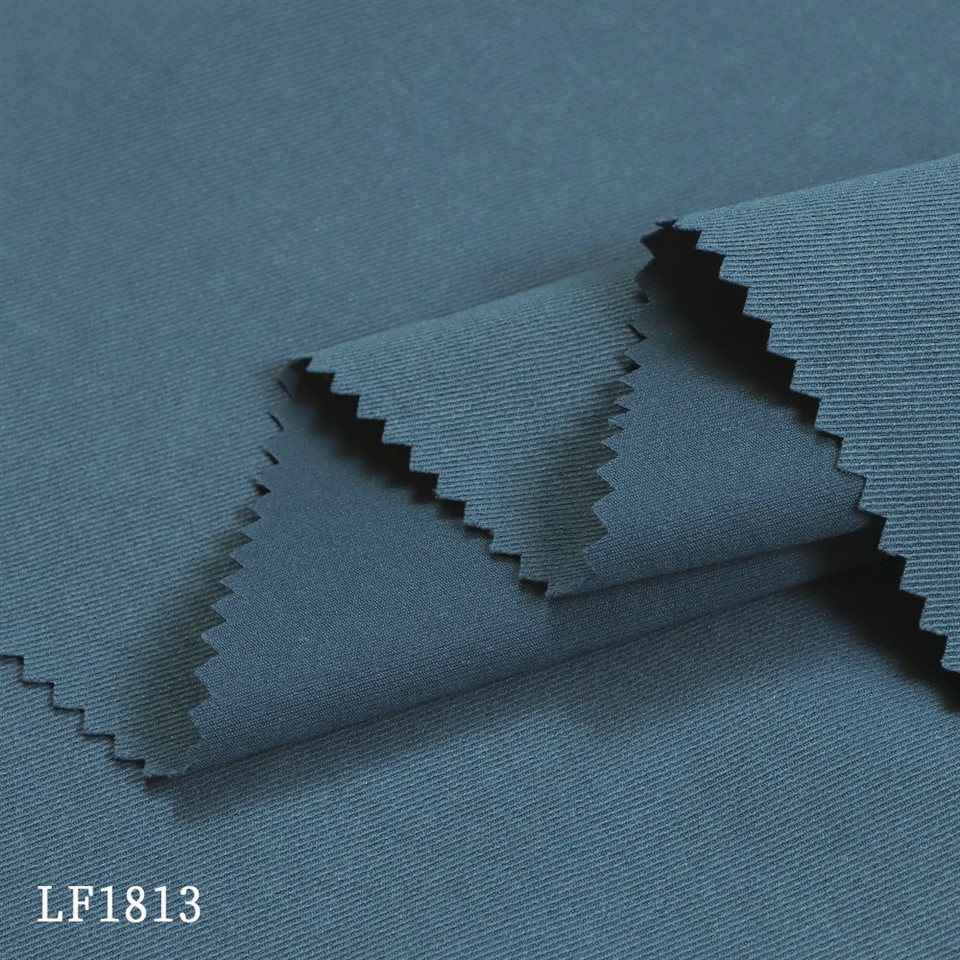
First, let’s briefly recap what 2 1 Twill Weave fabric is. This type of weave is characterized by a pattern where two warp threads pass over one weft thread before repeating. This creates a diagonal ribbing effect on the fabric surface, which not only gives it an aesthetically pleasing look but also contributes to its unique properties.
The 2 1 Twill Weave is known for its strength and flexibility. Compared to plain weaves, the diagonal pattern distributes stress more evenly across the fabric. This means that when the fabric is subjected to tension or friction, the load is spread out, reducing the likelihood of individual threads breaking.
Factors Affecting the Lifespan of 2 1 Twill Weave Fabric
Fiber Type
The type of fiber used in the 2 1 Twill Weave fabric plays a fundamental role in determining its durability.
Natural Fibers
- Cotton: Cotton is a popular choice for 2 1 Twill Weave. It is breathable, soft, and comfortable to wear. However, its durability can vary. High – quality cotton twill, such as Egyptian or Pima cotton, is known for its long staple fibers, which result in a stronger and more durable fabric. With regular use, a well – made cotton 2 1 Twill Weave fabric can last for several years. But it is also prone to wear and tear, especially if exposed to harsh chemicals or rough handling.
- Wool: Wool 2 1 Twill Weave is extremely durable. Wool fibers have a natural elasticity, which allows the fabric to recover its shape after stretching. It is also resistant to pilling and abrasion. In a regular use scenario, like in a well – cared – for wool twill suit, it can serve you for a decade or more. However, wool requires specific care, such as dry cleaning, to maintain its quality over time.
Synthetic Fibers
- Polyester: Polyester 2 1 Twill Weave is highly resistant to wrinkles, shrinking, and stretching. It has excellent color retention and is very durable. In fact, polyester twill can withstand a great deal of regular use, like in workwear or outdoor gear. It can last for many years without significant signs of wear and tear. However, it is less breathable than natural fibers, which can be a drawback in some applications.
- Nylon: Nylon is another synthetic fiber used in 2 1 Twill Weave. It is extremely strong, abrasion – resistant, and lightweight. Nylon twill is commonly used in sports and outdoor equipment. If used regularly in appropriate conditions, it can last for a long time. For example, a nylon twill backpack can endure years of daily use and rough handling.
Fabric Construction
The way the 2 1 Twill Weave fabric is constructed also influences its longevity. A tightly woven fabric generally has a longer lifespan than a loosely woven one. The number of threads per square inch (thread count) is an important indicator of fabric density. A higher thread count usually means a stronger and more durable fabric.
In addition, the quality of the weaving process matters. A well – woven 2 1 Twill Weave fabric will have fewer loose threads and less likelihood of unraveling. Modern weaving techniques, combined with advanced machinery, can produce fabrics with high precision and consistency, ensuring better durability.
Usage Conditions
The environment in which the 2 1 Twill Weave fabric is used has a significant impact on its lifespan.
Indoor Use
For indoor applications, such as upholstery or clothing for everyday wear, the fabric is exposed to relatively mild conditions. It is less likely to be exposed to harsh sunlight, extreme temperatures, or heavy physical stress. As a result, the fabric can last for a long time. For example, a 2 1 Twill Weave fabric used for sofa upholstery in a well – maintained living room can last for 5 – 10 years or more, depending on the frequency of use and the type of fiber.
Outdoor Use
Outdoor use is much more demanding on the fabric. Exposure to sunlight can cause the fabric to fade and weaken over time. UV rays break down the chemical bonds in the fibers, making them more brittle. Rain, wind, and dirt can also accelerate wear and tear. If used for outdoor furniture or tents, a 2 1 Twill Weave fabric may need to be replaced every 2 – 5 years, depending on the quality of the fabric and the local climate.
Care and Maintenance
Proper care and maintenance can significantly extend the lifespan of 2 1 Twill Weave fabric.
- Cleaning: Different fibers require different cleaning methods. For cotton twill, it is usually safe to machine – wash in cold water with a gentle detergent. However, wool and silk twill often need to be dry – cleaned to avoid shrinkage and damage. Over – washing or using harsh chemicals can deteriorate the fabric over time.
- Storage: When not in use, storing the fabric properly is essential. Keeping it in a cool, dry place away from direct sunlight can prevent damage from environmental factors. Folding the fabric carefully and avoiding sharp creases can also help maintain its integrity.
Estimating the Lifespan of 2 1 Twill Weave Fabric
Based on the factors above, it’s possible to estimate the lifespan of 2 1 Twill Weave fabric under regular use.
- Clothing: In the case of clothing made from 2 1 Twill Weave fabric, with regular wear and proper care, cotton twill shirts or pants can last 2 – 5 years. Wool twill suits can last 5 – 10 years or even longer. Polyester or nylon twill sportswear can have a similar lifespan, depending on the intensity of use.
- Upholstery: For indoor upholstery, the lifespan can range from 5 – 15 years. High – quality natural fiber twill can last on the upper end of this scale if well – cared for, while synthetic fiber twill may be more consistent in durability, with an average lifespan of around 10 – 12 years.
- Outdoor Products: As mentioned earlier, outdoor products made from 2 1 Twill Weave fabric usually have a shorter lifespan. Tents, awnings, and outdoor furniture covers may last 2 – 5 years, depending on the climate and usage conditions.
Our Offer as a 2 1 Twill Weave Supplier
At our company, we take pride in providing high – quality 2 1 Twill Weave fabric. We offer a wide range of fiber options, including natural and synthetic fibers, to meet the diverse needs of our customers.
All our fabrics are carefully constructed using state – of – the – art weaving technology, ensuring a tight and consistent weave. Our quality control processes are rigorous, and we test each batch of fabric for strength, colorfastness, and durability.
We understand that every project has unique requirements, whether it’s for fashion, home decor, or outdoor use. That’s why we’re committed to providing personalized service and expert advice to help you select the right fabric for your needs.
If you’re looking for a reliable source of 2 1 Twill Weave fabric that offers long – lasting performance, we’re here to assist you. Whether you’re a small business owner, a designer, or an individual with a DIY project, we can provide the fabric you need.
Polyester Stretch Fabric Feel free to reach out to us to discuss your requirements. We’ll be happy to provide samples, answer your questions, and start a conversation about how we can partner to achieve your goals.
References
- Textile Institute. "The Principles of Textile Finishing."
- "Textile Science and Technology" edited by Errol L. Vassiliadis.
- ASTM International standards for textile testing.
Shaoxing Huichao Textile Co., Ltd.
As one of the most professional 2 1 twill weave manufacturers and suppliers in China, we offer a wide range of products with superior quality. We warmly welcome you to wholesale bulk 2 1 twill weave in stock here from our factory. If you have any enquiry about cooperation, please feel free to email us.
Address: Shenyue International Build ing, Unit 1603-1605, Keqiao District, Shaoxing City, Zhejiang Province, China
E-mail: darrenzhong@huichaotextile.com
WebSite: https://www.huichaotextile.com/
