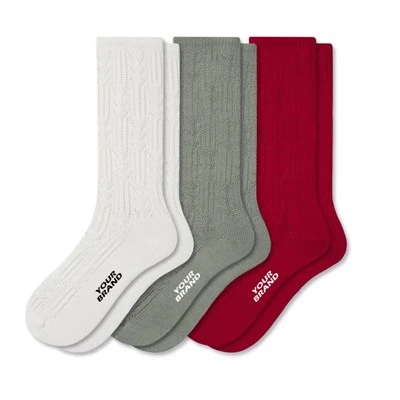
When it comes to the world of yoga, there are numerous accessories that can enhance the practice, and yoga socks are certainly among them. One question that often arises is whether yoga socks should have a toe design. As a supplier in the yoga socks industry, I’ve delved deep into this topic, considering the various perspectives of yoga enthusiasts, the functional aspects of toe – designed socks, and market trends. Yoga Socks
The Role of Yoga Socks in Practice
Yoga is a practice that demands stability, balance, and a good connection with the surface. Traditional barefoot practices are well – known, but in some situations, wearing socks is necessary or preferable. For example, in cooler environments, socks keep the feet warm. They can also provide an extra layer of grip, especially on smooth or slippery yoga mats.
Yoga socks are designed with specific features to meet the needs of yoga practitioners. They usually have non – slip soles, made from materials like rubber or silicone dots, to prevent slipping during poses such as downward – facing dog or tree pose. The material of the sock is also important, often being lightweight, breathable, and stretchy to allow full range of motion without restricting the feet.
The Concept of Toe – Designed Yoga Socks
The Design’s Origins
The idea of toe – designed yoga socks is inspired by several factors. Historically, traditional Japanese tabi socks, which have a separate compartment for the big toe, have been around for centuries. These socks were designed to be worn with thonged sandals and provide comfort and functionality for movement. In the context of yoga, the toe design is an adaptation, aiming to mimic the feeling of being barefoot while still having the benefits of wearing socks.
The Benefits of Toe Design
One of the primary advantages of toe – designed yoga socks is the enhanced dexterity. When the toes are separated, each toe can move more independently. This is crucial in yoga, where precise foot positioning is essential for many poses. For instance, in standing poses like mountain pose, proper alignment of the toes helps distribute the body’s weight evenly, which in turn improves balance and stability.
A toe – designed sock also allows for a better sense of proprioception. Proprioception refers to the body’s ability to sense the position and movement of its parts. With separated toes, the feet can more accurately detect the surface they are on, whether it’s a soft yoga mat or a hard studio floor. This heightened sensory input can lead to a more focused and effective yoga practice.
In addition, toe – designed yoga socks can offer improved circulation. The design reduces the amount of compression on the toes compared to regular socks. When circulation is enhanced, the feet are less likely to feel numb or cold during a long yoga session, ensuring continuous comfort and well – being.
Market Demand
Over the years, there has been a growing demand for toe – designed yoga socks in the market. Many yoga practitioners, especially those who are more advanced or have specific needs, prefer this type of sock. They appreciate the unique experience it provides, which brings a closer feel to barefoot yoga while still offering the practical benefits of socks.
As a supplier, I’ve noticed that customers who are concerned about hygiene also gravitate towards toe – designed socks. The separation of toes can help prevent the build – up of moisture and bacteria between the toes, which is a common issue with regular socks. This feature makes them a preferred choice for people who practice yoga in shared studios.
The Counterarguments against Toe – Designed Socks
Familiarity and Comfort
Some people find the toe – design to be unfamiliar and uncomfortable. Those who are used to regular socks may take time to adjust to the feeling of having their toes separated. In some cases, the compartments for the toes can be too tight or the material may rub against the skin, causing irritation.
Limited Style Options
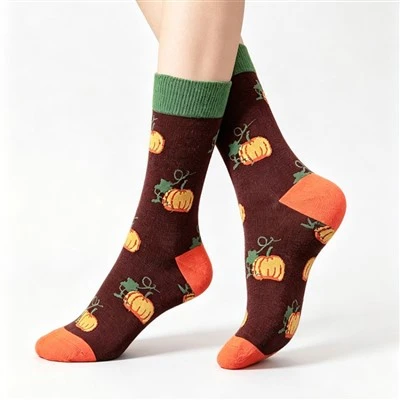
Another drawback is the relatively limited style options for toe – designed yoga socks. Compared to regular yoga socks, which come in a wide range of colors, patterns, and thicknesses, toe – designed socks are often more restricted in terms of design. This can be a turn – off for customers who value aesthetics as well as functionality in their yoga accessories.
Cost Considerations
From a manufacturing perspective, toe – designed yoga socks can be more expensive to produce. The additional complexity of creating separate compartments for the toes means more materials and labor are required. As a result, these socks are usually priced higher than their non – toe – designed counterparts. This cost difference can be a deterrent for some customers, especially those on a tight budget.
Our Approach as a Supplier
R & D Efforts
As a supplier, we understand both the advantages and disadvantages of toe – designed yoga socks. That’s why we’ve invested heavily in research and development to address the issues associated with this design. We’ve experimented with different materials to find the most comfortable and breathable options for the toe compartments. For example, we’ve used a blend of natural fibers like cotton and bamboo, which are soft on the skin and have excellent moisture – wicking properties.
Style Innovation
To overcome the limited style problem, our design team has been working hard to come up with more creative and trendy designs for toe – designed yoga socks. We offer a variety of colors and patterns, from simple solid colors to bold geometric prints. Our goal is to provide customers with options that not only perform well but also look great.
Pricing Strategy
While toe – designed socks are more expensive to produce, we’ve tried to balance the cost with the value they offer. We’ve optimized our production processes to reduce waste and improve efficiency, which has allowed us to offer competitive prices to our customers. We also run regular promotions and discounts to make these socks more accessible to a wider range of consumers.
Conclusion
The question of whether yoga socks should have a toe design doesn’t have a one – size – fits – all answer. It depends on individual preferences, needs, and budget. For those who value enhanced dexterity, proprioception, and hygiene, toe – designed yoga socks can be an excellent choice. However, for those who are more concerned about comfort, style variety, and cost, regular yoga socks may be more suitable.
As a supplier, we’re committed to providing high – quality yoga socks, whether they are toe – designed or not. We believe that by continuously innovating and listening to our customers’ feedback, we can meet the diverse needs of the yoga community. If you’re interested in learning more about our yoga sock products or have any questions about the toe – design feature, we’d be more than happy to discuss further. Please feel free to contact us for a buying negotiation. We’re eager to cooperate with you and make your yoga practice more enjoyable with our premium socks.
Creative Socks References
- “The Benefits of Proprioception in Yoga Practice” – Journal of Yoga Studies
- “Traditional Footwear and Its Influence on Modern Yoga Accessories” – International Journal of Cultural Footwear Research
- “Material Science in Yoga Sock Design” – Textile Research Quarterly
Zhuji Fuchun Knitting Co., Ltd.
As one of the most professional yoga socks manufacturers and suppliers in China, we offer a wide range of products with superior quality. Please feel free to wholesale bulk high quality yoga socks made in China here from our factory.
Address: Building 6, No. 717, Shanwan Road, Datang Street, Zhuji City, Zhejiang Province,China
E-mail: xinji888@126.com
WebSite: https://www.fuchunsocks.com/
