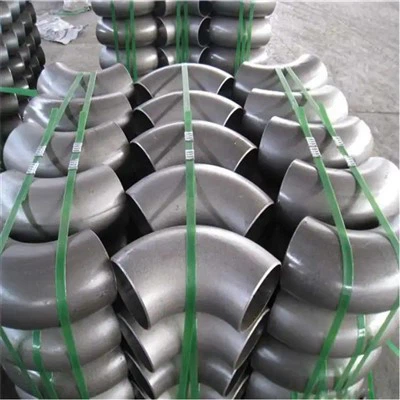
As a seasoned pipe elbow supplier, I’ve witnessed firsthand the varying demands and preferences of our clients. One of the most frequently asked questions is about the difference between cast and forged pipe elbows. Understanding these differences is crucial for making informed decisions in various industrial applications. In this blog, I’ll delve into the key aspects that set these two types of pipe elbows apart. Pipe Elbow
Manufacturing Process
The manufacturing process is the primary factor that differentiates cast and forged pipe elbows.
Casting
Casting is a process where molten metal is poured into a mold of the desired shape. For pipe elbows, a mold is created to match the specific dimensions and angles of the elbow. Once the molten metal is poured into the mold, it cools and solidifies, taking the shape of the mold. This method is relatively straightforward and can be used to produce complex shapes with high precision. However, it has some limitations. During the cooling process, the metal may develop internal voids or porosity, which can affect the strength and durability of the pipe elbow.
Forging
Forging, on the other hand, involves shaping metal through the application of pressure. A solid piece of metal, known as a billet, is heated to a high temperature and then hammered or pressed into the desired shape. This process aligns the grain structure of the metal, resulting in a more uniform and dense material. Forged pipe elbows are generally stronger and more resistant to fatigue and impact compared to cast pipe elbows. The forging process can also refine the metal’s internal structure, eliminating any potential voids or porosity.
Material Properties
The material properties of cast and forged pipe elbows are significantly influenced by their manufacturing processes.
Strength and Durability
Forged pipe elbows typically have higher strength and better durability than cast pipe elbows. The aligned grain structure in forged elbows provides enhanced resistance to stress and strain, making them suitable for high-pressure and high-temperature applications. Cast elbows, while still strong, may be more prone to cracking and failure under extreme conditions due to the presence of internal voids or porosity.
Ductility
Ductility refers to the ability of a material to deform under stress without breaking. Forged pipe elbows generally exhibit better ductility than cast elbows. This property allows forged elbows to withstand bending and deformation without fracturing, making them ideal for applications where flexibility is required.
Corrosion Resistance
The corrosion resistance of cast and forged pipe elbows depends on the type of metal used and the manufacturing process. In general, both types can be made from corrosion-resistant materials such as stainless steel. However, the forging process can enhance the corrosion resistance of the metal by refining its internal structure and eliminating potential corrosion sites.
Cost and Production Time
Cost and production time are important considerations when choosing between cast and forged pipe elbows.
Cost
Cast pipe elbows are generally less expensive to produce than forged pipe elbows. The casting process is relatively simple and requires less energy and labor compared to forging. Additionally, the cost of the raw materials for casting is often lower. However, the long-term cost of using cast elbows may be higher due to their lower strength and durability, which may result in more frequent replacements.
Production Time
The production time for cast pipe elbows is typically shorter than that for forged pipe elbows. The casting process can produce multiple elbows simultaneously, while forging is a more time-consuming process that involves shaping each elbow individually. This makes cast elbows a more suitable option for projects with tight deadlines.
Applications
The choice between cast and forged pipe elbows depends on the specific requirements of the application.
High-Pressure and High-Temperature Applications
Forged pipe elbows are the preferred choice for high-pressure and high-temperature applications, such as in the oil and gas industry, power plants, and chemical processing plants. Their superior strength and durability make them capable of withstanding the extreme conditions in these environments.
Low-Pressure and General Applications
Cast pipe elbows are commonly used in low-pressure and general applications, such as in plumbing systems, HVAC systems, and water treatment plants. Their lower cost and shorter production time make them a cost-effective option for these applications.
Quality Control
Quality control is essential for ensuring the performance and reliability of both cast and forged pipe elbows.
Casting Quality Control
In the casting process, quality control measures are taken to minimize the presence of internal voids and porosity. This includes using high-quality raw materials, controlling the pouring temperature and speed, and performing non-destructive testing such as ultrasonic testing and X-ray inspection.
Forging Quality Control
Forging quality control involves monitoring the temperature, pressure, and deformation during the forging process to ensure that the desired shape and properties are achieved. Non-destructive testing is also performed to detect any internal defects.
Conclusion
In conclusion, the difference between cast and forged pipe elbows lies in their manufacturing processes, material properties, cost, production time, and applications. Cast pipe elbows are more cost-effective and have a shorter production time, making them suitable for low-pressure and general applications. Forged pipe elbows, on the other hand, offer superior strength, durability, and ductility, making them the preferred choice for high-pressure and high-temperature applications.

As a pipe elbow supplier, I understand the importance of providing our clients with the right products for their specific needs. Whether you require cast or forged pipe elbows, we have the expertise and resources to meet your requirements. Our team of professionals can help you choose the most suitable pipe elbows for your application and ensure that you receive high-quality products at competitive prices.
ASME Flange If you’re interested in learning more about our pipe elbow products or have any questions, please don’t hesitate to contact us. We’re here to assist you with your procurement needs and provide you with the best solutions for your projects.
References
- ASME B16.9 – Factory-Made Wrought Steel Buttwelding Fittings
- ASTM A234 – Standard Specification for Piping Fittings of Wrought Carbon Steel and Alloy Steel for Moderate and High-Temperature Service
- ISO 9001 – Quality Management Systems – Requirements
Hebei Haihao Group Huadian High Pressure Pipe Fittings Co., Ltd.
As one of the most professional pipe elbow manufacturers and suppliers in China, we are able to meet the needs of the majority of our customers. Please rest assured to wholesale high quality pipe elbow made in China here from our factory. For price consultation, contact us.
Address: Donglin Industrial Zone, Mengcun County, Cangzhou City, Hebei Province, China
E-mail: haihaohuadian@outlook.com
WebSite: https://www.hhfittings.com/
