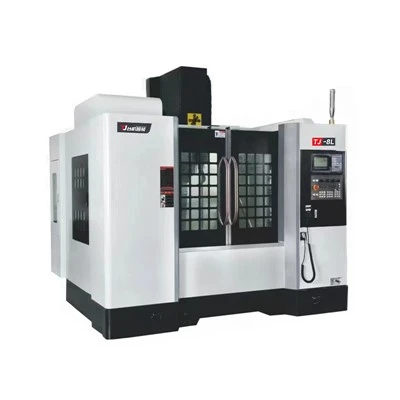
Tool breakage on a vertical machining center can be a costly and time-consuming problem. As a supplier of vertical machining centers, I’ve witnessed firsthand the impact that tool breakage can have on productivity and profitability. In this blog post, I’ll share some practical tips on how to prevent tool breakage and keep your machining operations running smoothly. Vertical Machining Center
Understanding the Causes of Tool Breakage
Before we dive into prevention strategies, it’s important to understand the common causes of tool breakage. Here are some of the most frequent culprits:
- Incorrect Tool Selection: Using the wrong tool for the job can lead to excessive wear and breakage. Make sure to choose the right tool based on the material you’re machining, the cutting parameters, and the specific requirements of your application.
- Poor Tool Installation: Improper tool installation can cause the tool to vibrate or become misaligned, leading to premature wear and breakage. Always follow the manufacturer’s instructions for tool installation and use a torque wrench to ensure proper tightening.
- Excessive Cutting Forces: Cutting forces that are too high can cause the tool to break. This can be due to factors such as incorrect cutting parameters, dull tools, or improper workpiece clamping. Make sure to optimize your cutting parameters and use sharp tools to minimize cutting forces.
- Chip Management: Poor chip management can cause chips to accumulate around the tool, leading to increased cutting forces and tool breakage. Use effective chip removal techniques, such as flood coolant or chip conveyors, to keep the cutting area clean.
- Machine Vibration: Excessive machine vibration can cause the tool to break. This can be due to factors such as worn bearings, loose components, or improper machine leveling. Regularly maintain your machine and ensure that it is properly leveled to minimize vibration.
Prevention Strategies
Now that we understand the causes of tool breakage, let’s look at some strategies for preventing it.
1. Select the Right Tool
Choosing the right tool is crucial for preventing tool breakage. Consider the following factors when selecting a tool:
- Material: Different materials require different types of tools. For example, hard materials like stainless steel or titanium may require carbide tools, while softer materials like aluminum can be machined with high-speed steel tools.
- Cutting Parameters: The cutting parameters, such as cutting speed, feed rate, and depth of cut, should be optimized for the tool and the material being machined. Refer to the tool manufacturer’s recommendations for the appropriate cutting parameters.
- Tool Geometry: The tool geometry, such as the rake angle, clearance angle, and cutting edge radius, can also affect tool performance. Choose a tool with the appropriate geometry for your application.
2. Install the Tool Correctly
Proper tool installation is essential for preventing tool breakage. Follow these steps to install the tool correctly:
- Clean the Tool and Tool Holder: Before installing the tool, make sure to clean the tool and the tool holder to remove any dirt or debris.
- Use a Torque Wrench: Use a torque wrench to tighten the tool holder to the recommended torque. Over-tightening or under-tightening the tool holder can cause the tool to break.
- Check the Tool Alignment: Make sure the tool is properly aligned in the tool holder. Misaligned tools can cause excessive vibration and premature wear.
3. Optimize Cutting Parameters
Optimizing the cutting parameters can help reduce cutting forces and prevent tool breakage. Consider the following tips:
- Cutting Speed: The cutting speed should be selected based on the material being machined and the tool being used. Higher cutting speeds can increase productivity, but they can also increase tool wear.
- Feed Rate: The feed rate should be selected based on the cutting speed and the depth of cut. A higher feed rate can increase productivity, but it can also increase cutting forces.
- Depth of Cut: The depth of cut should be selected based on the material being machined and the tool being used. A deeper depth of cut can increase productivity, but it can also increase cutting forces.
4. Manage Chips Effectively
Effective chip management is essential for preventing tool breakage. Here are some tips for managing chips:
- Use Flood Coolant: Flood coolant can help flush chips away from the cutting area and reduce cutting forces. Make sure to use the appropriate coolant for the material being machined.
- Use Chip Conveyors: Chip conveyors can help remove chips from the cutting area and prevent them from accumulating around the tool.
- Clear Chips Regularly: Regularly clear chips from the cutting area to prevent them from interfering with the cutting process.
5. Maintain the Machine
Regular machine maintenance is essential for preventing tool breakage. Here are some tips for maintaining your vertical machining center:
- Check the Machine Alignment: Regularly check the machine alignment to ensure that it is properly leveled. Misaligned machines can cause excessive vibration and premature tool wear.
- Lubricate the Machine: Regularly lubricate the machine to reduce friction and wear. Follow the manufacturer’s recommendations for lubrication.
- Inspect the Machine Components: Regularly inspect the machine components, such as the bearings, belts, and gears, for wear and damage. Replace any worn or damaged components as needed.
Conclusion

Tool breakage on a vertical machining center can be a costly and time-consuming problem. By understanding the causes of tool breakage and implementing the prevention strategies outlined in this blog post, you can minimize the risk of tool breakage and keep your machining operations running smoothly.
Five Axis Machining Center If you’re interested in learning more about our vertical machining centers or need help preventing tool breakage, please don’t hesitate to contact us. Our team of experts is here to help you find the right solution for your needs.
References
- "Machining Handbook," Industrial Press Inc.
- "Tooling and Machining Encyclopedia," Kennametal Inc.
- "Cutting Tool Engineering," SME (Society of Manufacturing Engineers)
Guangdong Taiji Intelligent Equipment Co., Ltd.
With abundant experience, we are one of the most professional vertical machining center manufacturers and suppliers in China. Please feel free to buy cheap vertical machining center for sale here from our factory. For price consultation, contact us.
Address: Room 107, Building 15, No. 911 Jian’an Road, Chang’an Town, Dongguan City, Guangdong Province
E-mail: sale@gdtaijicnc.com
WebSite: https://www.gdtaijicnc.com/
